


Precision Paint Matching: How PPG Technology Restores Your Car’s Original Finish in South Jamaica, Queens, NY
What PPG Paint Matching Technology Does and Why It Matters
PPG paint matching technology uses spectrophotometer readings and a digital color database to identify the exact factory formula applied to a vehicle when it left the assembly line, then adjusts that formula for fade, sun exposure, and age before mixing. ANA Auto Repair applies this process for drivers throughout South Jamaica, Queens, NY, USA, so repaired panels blend into the surrounding factory finish instead of standing out as an obvious repair.
ANA Auto Repair is a PPG authorized paint shop, which means the formulas and equipment used on your car meet standards set by the manufacturer, not just a shop’s best guess at a color chip.
Picture a driver in South Jamaica who scraped a rear quarter panel against a fence post. The panel needs a new coat, but the rest of the car still has its original factory paint. A generic mix might look close under one light and off under another, especially with metallic or pearl finishes that shift depending on the angle you view them from. Spectrophotometer readings solve that problem by measuring color at multiple angles, not just one.
In our experience, this step matters more than most drivers realize. Plenty of body shops skip the spectrophotometer and rely on visual matching alone, and the results can look fine in the parking lot but reveal mismatches in daylight.
Factory-spec accuracy affects more than looks. A mismatched panel can signal to future buyers or insurance adjusters that a car has unresolved collision history, which can affect resale conversations down the line. Drivers who want a full look at how this process fits into a complete repair can review ANA Auto Repair’s auto body painting services and booking options before scheduling an assessment.
The PPG Paint Matching Process: From Assessment to Application
Good paint matching isn’t guesswork. It’s a sequence of measurable steps, and skipping any one of them is how you end up with a bumper that’s just a little off from the fender next to it.
Step One: Reading the Color
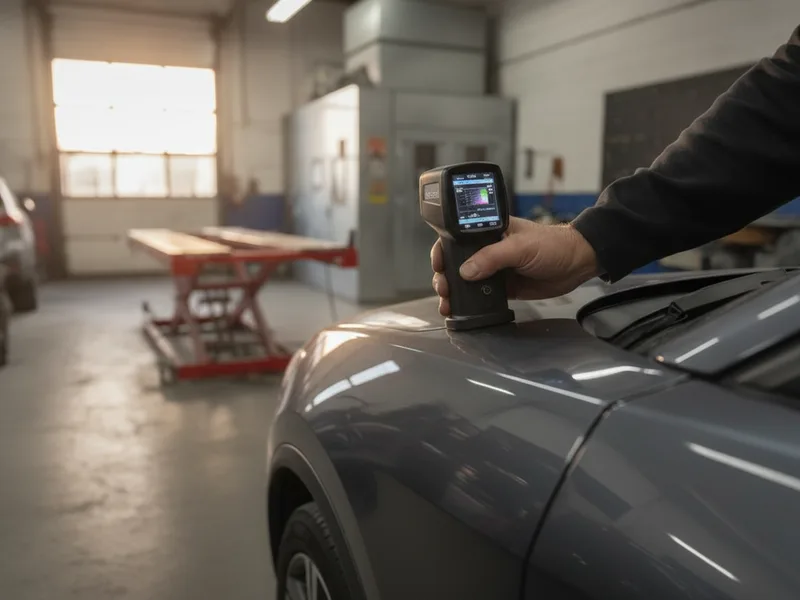
We start with a spectrophotometer, a handheld device that measures the exact wavelengths of light reflecting off your vehicle’s existing paint. This isn’t the same as eyeballing a paint chip against your hood. The tool captures data your eyes physically can’t process, including how the finish behaves under different lighting conditions.
That reading gets cross-checked against PPG’s digital color database, which holds factory formulas for a wide range of makes and model years. For customers driving in from South Jamaica, Queens, NY, USA, this matters because older vehicles, especially anything that’s spent years parked outdoors, often show more fade than a formula chart alone would suggest.
Step Two: Adjusting the Formula
Raw factory formulas rarely go on the car exactly as written. A technician has to tweak the mix based on the spectrophotometer’s readings, accounting for sun exposure, oxidation, and even the panel’s age relative to the rest of the vehicle. In our experience, this adjustment step gets rushed at shops that don’t have the right equipment on hand, and that’s usually where visible mismatches start.
Step Three: Controlled Application
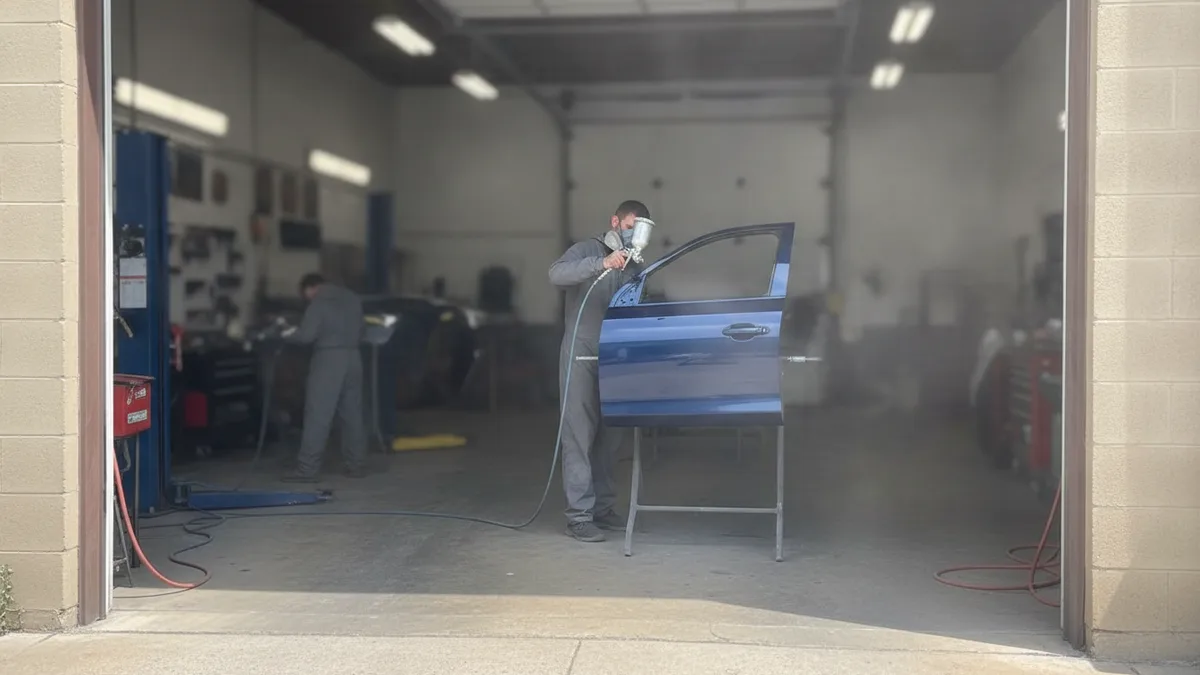
Once the formula’s dialed in, the paint goes on in a controlled spray booth. Temperature, airflow, and lighting all affect how the finish cures and how well it blends into the surrounding panels. A rushed or improvised setup can leave texture differences or uneven gloss, even if the color itself was mixed correctly.
-
Spectrophotometer scan of existing paint
-
Formula cross-reference against PPG’s digital database
-
Manual adjustment for fade, age, and panel condition
-
Application inside a controlled spray environment
-
Final inspection under multiple lighting sources
This is the process behind being a PPG authorized paint shop, and it’s the same process whether a car comes to us from Queens, NY, or from South Jamaica, Queens, NY, USA. We’re not physically located in South Jamaica, but we regularly work with drivers from that area, and the equipment and steps don’t change based on zip code. A properly matched panel should be difficult to spot even in direct sunlight, though exact results can vary by vehicle age and paint condition.
PPG Authorized Centers vs. Non-Certified Paint Shops: Key Differences
Drop off a fender at three different shops and ask for the same color match, and you’ll often get three different results. That’s the pattern we’ve seen over the years. The gap usually comes down to one thing: whether the shop is actually authorized to work with PPG’s full system, or whether they’re mixing paint based on guesswork and a decades-old formula card.
A PPG authorized paint shop has to meet standards that non-certified shops simply aren’t held to. That includes equipment calibration, technician training hours, and ongoing access to PPG’s updated formula database, which gets revised as manufacturers tweak factory colors year to year.
What Sets Certified Shops Apart
-
Equipment standards: Authorized centers use calibrated spectrophotometers and mixing systems that PPG audits, not modified aftermarket tools.
-
Technician training: Painters complete PPG-specific coursework on top of general certification, covering color theory and application techniques for specific finish types.
-
Warranty backing: Paint applied under authorization can carry manufacturer-backed warranty support, something a shop buying generic paint can’t offer.
-
Full color database access: Authorized shops pull from PPG’s complete library, including regional variants and factory updates, rather than a static set of common formulas.
Here’s an opinion some drivers won’t expect: a shop with fancy signage and a low quote isn’t automatically a red flag, but a shop that can’t explain their paint source or warranty terms usually is. We’d rather a customer ask hard questions upfront than get surprised at pickup.
None of this means every non-certified shop does bad work. Some do fine repairs. But when a factory color has aged unevenly across panels, or when a repair involves blending into an adjacent body section, the difference between a certified process and an improvised one becomes obvious fast, usually in direct sunlight.
Drivers throughout South Jamaica, Queens, NY, USA who’ve compared quotes often ask about this distinction directly, and we think that’s a smart move before committing to any body shop. Our South Jamaica auto body service coverage page outlines how we handle color matching for local customers, whatever the vehicle’s age or paint history.
Common Paint Matching Mistakes and How PPG Technology Avoids Them
Bad paint jobs don’t usually come from bad intentions. They come from shortcuts.
The most common one is eyeballing a color under a shop’s fluorescent lights and calling it good. Fluorescent bulbs shift how a color reads compared to daylight, so a match that looks fine indoors can look noticeably off once the car is parked outside on a South Jamaica street. A spectrophotometer removes that guesswork by reading the actual pigment values, not a technician’s impression of them.
Another mistake is spraying in a booth without proper temperature and humidity control. Paint cures differently depending on conditions, and inconsistent curing leads to texture and sheen mismatches between the repaired panel and the factory finish next to it. PPG authorized paint shop standards require controlled booth environments precisely because that variable can’t be eyeballed either.
Outdated color codes cause trouble too. Manufacturers revise formulas over model years, and a shop working from an old paint chip or a generic code list can apply a shade that was accurate five years ago but not for the exact production run of your vehicle. PPG’s digital database gets updated as new formulas are released, which matters more than most car owners realize until they’ve been burned by it once.
In our experience, the shops that skip these steps aren’t always cutting corners on purpose. Sometimes it’s a lack of equipment, sometimes it’s rushing to meet a same-day promise. Either way, the result is the same: a repair that’s visible if you know where to look.
For customers throughout South Jamaica, Queens, NY, USA, that’s the gap PPG authorized processes close, and it’s one reason drivers travel a short distance from South Jamaica to work with a certified center rather than settle for a guess.
Why Precision Paint Matching Protects Your Vehicle’s Value and Appearance
Walk any used car lot and you can spot the repainted panel from ten feet away. A slightly off hood or a door with a different sheen tells a buyer the vehicle has been in a collision, even if the repair itself was structurally sound. That visual mismatch does more damage to resale value than most owners realize.
Paint isn’t just cosmetic. It’s a barrier. A poorly matched or thinly applied panel can leave metal more exposed to moisture and road salt, which raises the risk of corrosion over time. UV exposure also breaks down pigment unevenly, so a patch that looked close at the time of repair can drift further from the original color as both areas age at different rates. Getting the formula, texture, and clear coat application right the first time reduces the chances of that drift becoming obvious later.
In our experience, owners often treat paint matching as a finishing detail rather than part of the actual repair. We’d argue it’s the opposite: durability and appearance are tied together, not separate line items.
For drivers in South Jamaica, Queens, NY, USA, this matters whether the vehicle is a daily commuter or one you’re planning to sell in a few years. A shop’s background in certified collision and paint work is worth checking before you commit to a repair, since consistent color matching depends on training and equipment, not guesswork. If resale value or long-term durability is a real concern, a qualified appraiser or body shop technician can speak to your specific vehicle’s condition.
Serving South Jamaica and Surrounding Queens Communities with Expert Paint Services
ANA Auto Repair is based in Queens, and we’ve been matching paint since 1994. Drivers from South Jamaica bring us cars regularly, and the process doesn’t change based on your zip code. Same spectrophotometer readings. Same PPG formula database. Same panel-by-panel checks before anything gets sprayed.
Distance isn’t a factor in paint quality. A car from South Jamaica, Queens, NY, USA gets the same PPG authorized paint shop process as one dropped off a few blocks from our facility. We serve Jamaica, Ozone Park, Richmond Hill, and the neighborhoods around them the same way, with the same attention to color accuracy and finish.
Before choosing any body shop, do some homework. Check for real certifications like I-CAR or ASE, read what past customers say, and get a couple of written quotes to compare. Ask directly about OEM versus aftermarket parts, warranty terms, and how long the repair should take. A shop that hesitates to put an estimate in writing or won’t discuss warranty coverage is worth a second look.
One more thing people often miss: you’re allowed to choose your own repair shop, regardless of what your insurance provider suggests. Before drop-off, photograph any existing damage and remove valuables from the vehicle. That’s basic protection for you, and it’s just good practice.
Frequently Asked Questions
How long does the PPG paint matching process take?
Measuring your car’s color and building the right formula usually takes about 1-2 hours once the vehicle is on our system. The full job, including application and cure time, depends on how many panels need work and how bad the damage is. Most repairs run 24-48 hours from that point. ANA Auto Repair gives you a same-day estimate at our South Jamaica, Queens shop so you know roughly what you’re looking at before we start.
Can PPG technology match metallic or pearl finishes?
Yes, and this is where a lot of shops struggle. Metallic and pearl paints shift color depending on the angle you view them from, so a basic match won’t cut it. PPG spectrophotometers read those angle shifts and help us build a formula that accounts for them. It takes more time and attention than a solid color, but the goal is a blend you can’t spot once it’s done.
What warranty covers PPG paint work?
PPG authorized shops back their paint jobs with manufacturer warranties covering things like peeling, defects, and premature fading. At ANA Auto Repair, we hand you written warranty details along with your estimate, so you know what’s covered before any work starts. This applies whether your repair goes through insurance or you’re paying out of pocket. Ask us to walk you through the specifics for your vehicle when you come in.
Is there a difference between PPG paint and other major brands?
PPG is one of the bigger names in automotive refinish paint, and it’s built a reputation for accurate color matching and durability. Being an authorized center means we get the newer formulas and ongoing training on how to apply them correctly. Paint quality on any vehicle comes down to both the product and the shop applying it, which is part of why authorization and certification matter when you’re picking a place to trust with your car.
Can I choose my repair shop even if my insurance has a preferred vendor list?
Yes, you have the legal right to pick whichever certified repair shop you want, no matter what your insurance company suggests. That said, insurance rules and coverage details vary, so it’s worth confirming specifics with your provider or an insurance professional if you’re unsure. ANA Auto Repair is certified by major insurers including Geico Xpress and Allstate, and we handle the claims paperwork directly so customers in South Jamaica, Queens don’t have to juggle it themselves.
Let’s Get Your Paint Job Done Right
A faded panel or mismatched color patch stands out, and it doesn’t have to stay that way. Our PPG color-matching process is built to blend new paint with your vehicle’s existing finish, and we’d like to walk you through what that looks like for your specific car or truck.
Stop by our shop in South Jamaica, Queens, NY, USA, or reach out to set up a time that works for you. Same-day estimates are often available, and there’s no obligation attached to getting one.
Check out our full auto body painting services and booking options to see what’s involved before you come in. Curious about how we treat customers? See what our neighbors are saying on our Google Business Profile.