


Why Certified Collision Repair Centers in Queens, NY Deliver Better Results Than Uncertified Shops
The Certification Difference: Why It Matters for Your Vehicle
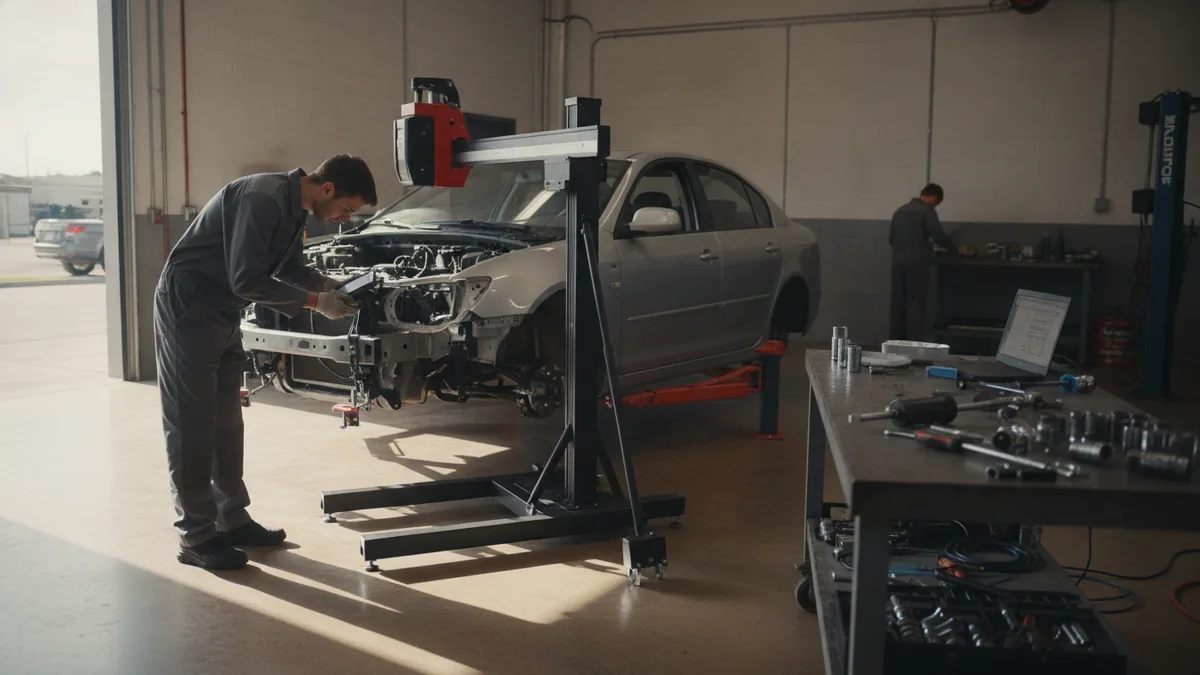
A certified collision repair center delivers better results because certified technicians follow manufacturer-specific repair procedures, use calibrated diagnostic tools, and complete ongoing training that uncertified shops often skip. ANA Auto Repair, an I-CAR certified auto body shop serving Queens, NY, USA, applies this structured approach to every vehicle that comes through the door. The result is repair work that meets factory specifications rather than a rough approximation of them.
Picture a driver in Ozone Park whose bumper and sensor array took a hit in a fender bender. Modern vehicles pack cameras and radar into places a shop can’t just eyeball and hope for the best. Uncertified shops may skip recalibration entirely, or handle it with guesswork instead of the manufacturer’s documented process.
ANA Auto Repair has been doing this work since 1994. That kind of history matters less as a marketing point and more as proof that the shop has adapted through decades of changing vehicle technology, from steel frames to aluminum and mixed-material construction. Drivers curious about what certified repair actually covers can review the full range of body shop services offered locally. In our experience, the certification itself matters less than whether a shop keeps it current.
Understanding I-CAR and ASE Certification: What These Credentials Really Mean
Let’s talk about what these letters actually stand for. I-CAR stands for the Inter-Industry Conference on Auto Collision Repair, an organization that trains technicians on the repair procedures specific to different makes and models. ASE stands for the National Institute for Automotive Service Excellence, and it tests technicians on their knowledge across various repair disciplines. Neither of these is a one-time exam you pass and forget about.
Here’s the part most people don’t realize. Vehicle construction changes every year. Automakers shift to new aluminum alloys, high-strength steel, and advanced sensor systems, and the repair procedures for a 2024 model can look nothing like those for a car built five years earlier. I-CAR training gets updated to reflect those changes, which means a technician holding current certification has actually kept up with the vehicles rolling into the shop, not just the ones from when they started their career.
That matters more than most drivers think.
In our experience, a lot of drivers assume any shop with a sign that says “certified” has met some fixed bar and can now coast. That’s not how it works, and honestly, we think that assumption causes people to skip the homework they should be doing. Certification bodies expect ongoing coursework, and a shop that treats it as a checkbox rather than a standard to maintain isn’t giving customers the full benefit of the credential.
At ANA Auto Repair, our team holds I-CAR certification as an auto body shop and as an aluminum welding center, and we’re also a PPG authorized paint center. For drivers across Queens, NY, USA and the surrounding communities, that combination means the technicians working on your vehicle have trained specifically on aluminum repair techniques and factory-approved paint matching, not general body work alone.
If you’re comparing shops in South Ozone Park, Ozone Park, Richmond Hill, South Jamaica, or Jamaica, it’s reasonable to ask directly what certifications a shop currently holds and how they keep technicians updated. You can also check credential status through the certifying organizations themselves. A shop’s I-CAR standing or an individual’s ASE certification record is public information, and for anything involving your vehicle’s safety systems, it’s worth confirming those details with a qualified professional before repairs begin.
Certified vs. Uncertified: The Key Differences That Affect Your Repair
Pull two estimates for the same fender-bender and they can look nearly identical on paper. The gap shows up later, once the vehicle is back on the road and the technician’s actual process starts to matter more than the price on the invoice. After years of seeing repairs come through our bay in South Ozone Park, some done elsewhere and redone by us, the pattern is consistent: certification changes what happens at every stage of the job, not just the final paint job.
-
Diagnostic capability. A certified collision repair center uses calibrated scan tools tied to manufacturer specifications, which matters for modern vehicles with sensors tucked into bumpers and windshields. Uncertified shops sometimes skip post-repair scanning altogether, leaving hidden electronic faults undetected until a warning light appears weeks later.
-
Parts sourcing. Most guides tell drivers to simply insist on OEM parts and consider the job done. In our experience, the bigger issue is whether the shop actually verifies fit and function before the car leaves, since even correct parts can be installed poorly. Certified technicians are trained to check this against factory tolerances rather than eyeballing it.
-
Paint matching precision. Color matching depends on lighting, mixing accuracy, and the equipment used to read a vehicle’s original formula. Shops without formal paint training or authorized supplier relationships tend to rely more on guesswork, which shows under certain light even when it looked fine in the shop.
-
Warranty support. Certified shops generally back their labor and parts with written terms tied to documented procedures. Uncertified shops that skip documentation have less to stand behind if a repair doesn’t hold up over time.
-
Insurance relationships. Certified centers often have established communication channels with adjusters, which can smooth the claims conversation. That said, drivers in Queens, NY, USA are free to choose their own repair shop regardless of which one an insurer suggests, and it’s worth confirming coverage details directly with your provider before authorizing work.
None of this means every certified shop is flawless or every uncertified shop is careless. But the training, tools, and documentation behind a certification give drivers something concrete to evaluate instead of taking a shop’s word for it. For readers who want to see how these credentials translate into daily practice, our background on ANA Auto Repair’s certifications lays out the training and history behind our process.
Distance matters too. Drivers from Ozone Park, Richmond Hill, South Jamaica, and Jamaica are often choosing between a shop that’s a short drive away and one that’s genuinely equipped to handle the repair correctly. Those two things don’t always overlap, and it’s worth weighing both before dropping off a vehicle.
Why Insurance Companies Prefer Certified Collision Repair Centers
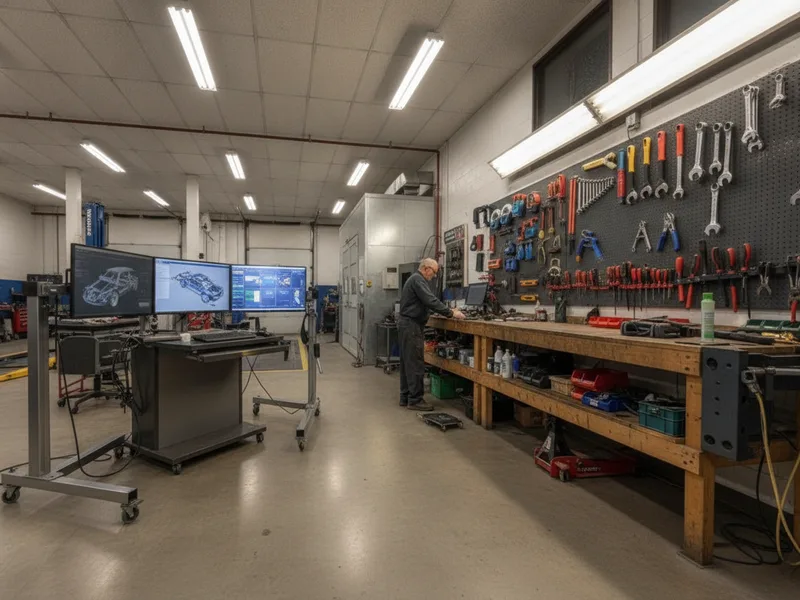
Insurers have a reputation to protect too. When a claim goes bad, whether it’s a comeback repair, a customer complaint, or a structural failure down the road, that falls back on the company that approved the shop. That’s the plain reason providers like Geico and Allstate build preferred repair networks around certified shops.
ANA Auto Repair holds a Geico Xpress repair shop designation and is part of the Allstate good hands repair network. Getting recognized this way isn’t automatic. Insurance providers look at a shop’s certifications, its track record, and whether repairs are documented in a way that holds up if a claim is ever questioned later. A certified collision repair center gives adjusters a paper trail: calibration records, parts invoices, and repair procedures tied to the manufacturer’s own specifications. Uncertified shops often can’t produce that same documentation, which leaves more room for disputes.
Here’s the part a lot of drivers in Queens, NY, USA don’t realize. Your insurance provider can suggest a shop, but the choice is yours. You’re not required to use whoever they point to. Some adjusters push customers toward a specific network shop because it’s convenient for the insurer’s process, not necessarily because it’s the best fit for the vehicle. In our experience, drivers who pick their own certified shop tend to have fewer headaches later, even if the initial approval takes a little more back-and-forth.
Certification also reduces friction during the claims process itself. When a shop can show its technicians are trained to a documented standard, insurers spend less time second-guessing the estimate. That usually means fewer delays and less paperwork bouncing between the shop, the adjuster, and the customer.
None of this replaces reading your own policy carefully. Coverage details vary by provider and by plan, so it’s worth confirming your specific benefits with your insurance company before repairs begin. ANA Auto Repair works directly with customers on insurance claim auto repair help, but the policy terms themselves are between you and your insurer.
Warranty and Long-Term Durability: What Certification Guarantees
Ask any technician who’s been doing this work for a while, and they’ll tell you the same thing: repairs that fail don’t usually fail on day one. They fail six months or a year later, once the road salt, the flexing of the frame, and daily wear expose whatever shortcut got taken the first time around.
That’s the pattern we watch for at ANA Auto Repair. A certified collision repair center backs its work with warranty terms that reflect actual confidence in the repair process, not just a sales pitch. When technicians follow documented, manufacturer-specific procedures and use the tools those procedures call for, the finished repair is far less likely to develop the gaps, rust points, or misaligned panels that show up later on jobs done without that structure.
Uncertified shops can offer warranties too. The question is whether there’s a documented process behind that promise, or whether it’s just a verbal assurance with nothing to back it up if a problem surfaces down the line. In our experience, a shop that can walk you through its repair documentation is usually the same shop that stands behind its warranty without a fight.
Certification also connects to how insurers and repair networks evaluate a shop’s track record over time. ANA Auto Repair’s relationships with major insurance providers, detailed on our insurance partnerships and preferred network page, exist because those companies have seen how certified repairs hold up.
Warranty terms and coverage details vary by shop and by repair type, so it’s reasonable to ask any shop in Queens, NY, USA for specifics in writing before work begins. That conversation alone tells you a lot about how a shop operates.
What to Look for When Choosing a Certified Collision Repair Center in Queens
Picking a body shop shouldn’t feel like a guessing game.
Start by confirming certifications directly. Don’t take a sign in the window at face value; ask which credentials the shop holds, whether that’s I-CAR training or ASE certification, and how current those credentials are. A shop with nothing to hide will answer without hesitation.
Next, get everything in writing. A written estimate protects you if questions come up later about what was promised versus what was done. Ask about the type of parts they plan to use, OEM or aftermarket, and what warranty covers the labor and materials. Get a sense of how long the repair should realistically take given the damage.
We’d also push back on one piece of common advice: don’t assume the shop your insurer recommends is your only option. Drivers in Queens, NY, USA are free to choose their own repair shop regardless of who the insurance company suggests.
Before dropping off your vehicle, photograph any pre-existing damage and remove valuables. It’s a small step that saves confusion later.
Red Flags Worth Taking Seriously
-
A shop that won’t put an estimate in writing
-
No warranty offered on parts or labor
-
A bid that comes in noticeably lower than every other quote you’ve collected
-
Vague or dismissive answers about certifications
Collecting two or three quotes gives you a real basis for comparison, and reading customer reviews tells you how a shop handles problems, not just how they handle a sales pitch. ANA Auto Repair has operated as a certified collision repair center in South Ozone Park since 1994, serving drivers throughout Ozone Park, Howard Beach, Richmond Hill, and the surrounding Queens communities. Walk-ins are welcome if you’d like to see the shop and ask questions in person before deciding.
Frequently Asked Questions
What does I-CAR certification mean for collision repair quality?
I-CAR certification means the technicians working on your car have gone through ongoing training in structural repair, welding, painting, and diagnostics. It’s not a one-time class either. Techs have to keep learning as new vehicle models and materials come out. When you bring your car to a certified collision repair center in Queens, NY, you’re getting work done by people trained to meet manufacturer specifications, not just general auto body know-how.
Can I choose my own repair shop even if my insurance company has a preferred list?
Yes, you can. Insurance companies will often hand you a list of “preferred” shops, but that list doesn’t limit your legal right to pick whoever you want. Drivers throughout Queens, NY choose their own certified collision repair center all the time. That said, going with a certified shop that already works with insurers tends to make the claims process move faster, since the paperwork and estimates line up with what adjusters expect. If you have questions about your specific policy, it’s worth a quick call to your insurance agent to confirm your coverage details.
What warranty should I expect from a certified collision repair center?
Warranties from a certified collision repair center typically run somewhere between 3 and 10 years on parts and labor, though the exact terms depend on the shop and the type of repair done. What makes that coverage mean something is the paperwork behind it. Certified shops follow documented repair procedures, so if something goes wrong down the line, there’s a clear record of what was done and how. Ask any shop in Queens, NY to put their warranty terms in writing before you sign off on repairs.
How can I verify that a collision repair shop is truly certified?
The easiest way is to just ask. A legitimate certified collision repair center will show you current I-CAR or ASE credentials without hesitation, and most display them right on the shop wall or office window. You can also double-check independently through the I-CAR ProNet directory or the ASE website, which list certified shops and technicians by location. If a shop in Queens, NY can’t produce documentation or gets vague about it, that’s worth asking more questions about.
Why do certified collision centers cost more than uncertified shops?
Certified shops spend money on things uncertified shops often skip: diagnostic equipment that can read a modern car’s computer systems, regular technician training, and OEM-grade parts and materials. That investment shows up in the price, but it also shows up in the result. Repairs done to manufacturer standards tend to hold up better over time and come with stronger warranty backing, which matters if you’re keeping the car for years after the accident.
Get Your Collision Damage Assessed by Certified Technicians
A car that’s been in an accident deserves more than a quick patch job. Our I-CAR certified collision repair team in South Ozone Park checks the frame, alignment, and safety systems so the work holds up over time, not just at first glance. If you’re dealing with body damage anywhere in Queens, NY, USA, stopping by for a same-day estimate is a simple way to find out what your vehicle actually needs.
Explore our full range of collision and auto repair services to see how certified repair work compares to a standard body shop fix. Want to hear from drivers who’ve already been through the process? You can check out our reviews on Google before you decide. For anything involving insurance claims or safety-related repairs, it’s always worth confirming details with your adjuster or a qualified technician before work begins.