


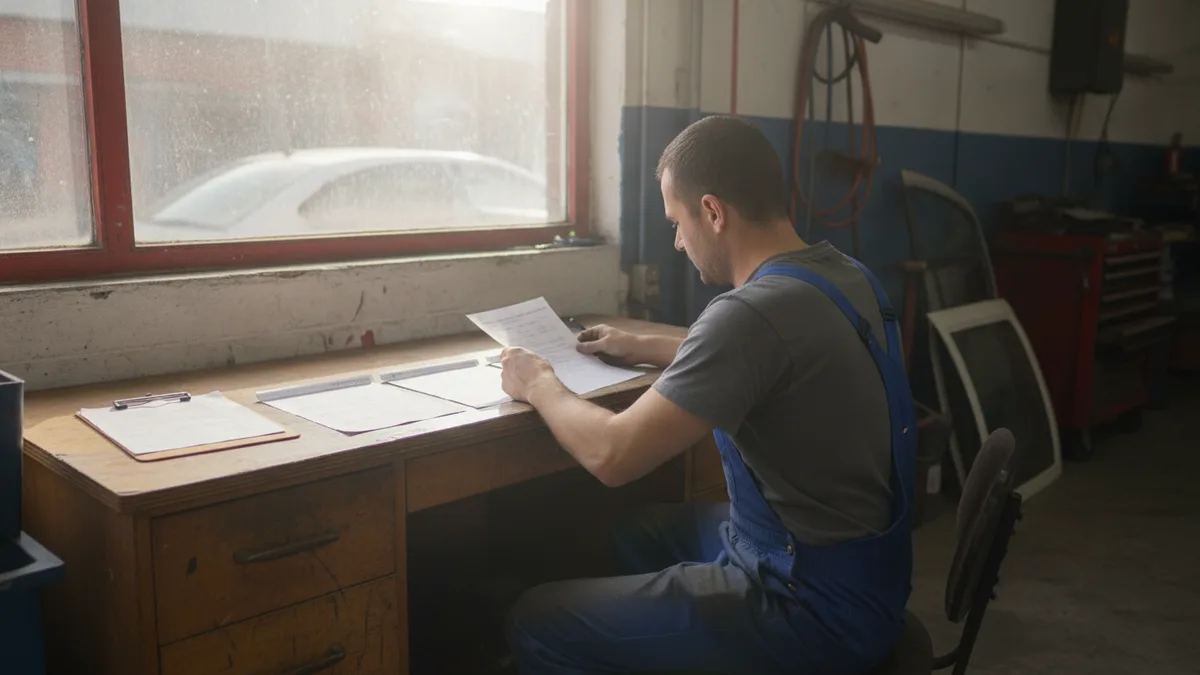
How to Compare Three Written Estimates for Car Body Repair in Richmond Hill, Queens
What to Look for When Comparing Written Collision Repair Estimates
A fair car body repair estimate comparison for drivers in Richmond Hill, Queens, NY, USA means checking three things across every quote: parts type (OEM or aftermarket), labor rate and hours, and warranty terms. ANA Auto Repair has served Queens drivers since 1994, and consistent formatting across estimates usually signals a shop that’s thorough rather than guessing. Big gaps in any category deserve a second look before you sign anything.
Say a Richmond Hill driver gets rear-ended and the impact pushes the frame slightly out of alignment. One shop’s estimate lists frame alignment as a line item with measurements noted. Another buries it under “additional labor” with no detail. That difference alone tells you something about how carefully each shop actually inspected the vehicle.
In our experience, the lowest number on paper rarely tells the whole story. A quote missing frame measurements or parts sourcing isn’t cheaper, it’s incomplete, and incomplete estimates tend to grow once work begins. For a clearer sense of what a properly documented estimate covers, our collision and frame alignment services page walks through the certifications and process behind ours. The next section breaks down exactly what belongs on every legitimate written quote.
The Three Core Elements Every Written Estimate Must Include
Three things. That’s all you really need to check on any car body repair estimate before you sign off on it. Skip any of these and you’re comparing guesswork, not real quotes.
1. Detailed Line-Item Parts
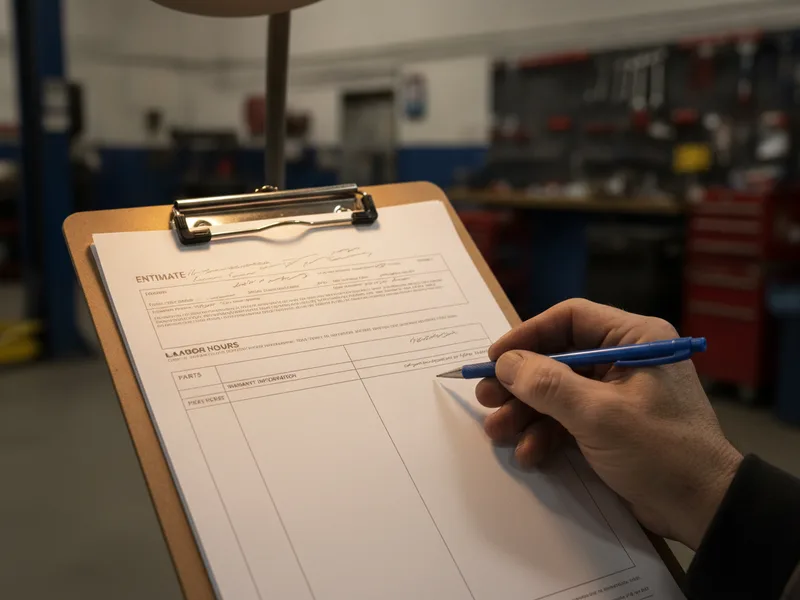
A proper estimate lists every single part by name, part number, and price. It should also say whether each part is OEM (original equipment manufacturer) or aftermarket. If a shop hands you a vague total like “parts and labor: $2,400” with no breakdown, that’s a problem. In our experience, shops that skip line items usually aren’t tracking their own costs carefully either, and that tends to show up later in the quality of the work.
2. Labor Hours Broken Down by Repair Task
Labor should be itemized by task, not lumped together. Frame straightening, panel replacement, paint prep, refinishing; each one has its own hour estimate and rate. This matters because labor rates and hours are where estimates diverge the most between shops in Richmond Hill, Queens, NY, USA and the surrounding Queens area. A shop that just writes “labor: 12 hours” without saying what those hours cover is asking you to trust a number you can’t verify.
3. Warranty Terms in Writing
Any reputable body shop should put its warranty terms directly on the estimate, not just tell you about it verbally. That means specifying what’s covered (paint, parts, labor) and for how long. A verbal promise means nothing if a dispute comes up six months down the road.
Here’s an opinion some drivers won’t expect: the cheapest estimate is rarely the one missing these details, it’s often the most expensive one that’s vague. Shops padding their numbers sometimes count on customers not asking questions, so a high price with a thin breakdown deserves just as much scrutiny as a suspiciously low one.
When ANA Auto Repair puts together a car body repair estimate for customers coming from Richmond Hill, Queens, NY, USA, all three elements are spelled out clearly. We’re not physically located in Richmond Hill, but we work with drivers from that area regularly, and the distance from our Queens location is short enough that dropping off a vehicle isn’t a hassle. If you’re gathering quotes to compare, ask each shop directly for these three components in writing. It’ll save you a lot of confusion later.
Spot the Red Flags: Five Warning Signs in Written Estimates
After three decades of writing and reviewing collision estimates, certain patterns keep showing up on the ones that lead to trouble later. Most of them are easy to miss if you’re only comparing the bottom-line total. Drivers in Richmond Hill, Queens, NY, USA doing a car body repair estimate comparison should slow down and read the details, not just the price.
-
Vague labor descriptions. Phrases like “bodywork as needed” or “repair as required” without hours or a specific task list make it impossible to know what you’re actually paying for.
-
Missing part specifications. If the estimate just says “fender” or “bumper” without noting OEM or aftermarket, new or refurbished, that’s a gap worth questioning before any work begins.
-
Wildly different pricing across shops. A quote that comes in far lower than the other two isn’t automatically a bargain. In our experience, a bid that’s dramatically lower usually means something’s been left off the estimate, not that the shop found a shortcut everyone else missed.
-
No warranty listed. Reputable shops back their paint and repair work. An estimate silent on warranty terms leaves you with no recourse if something fails down the road.
-
Refusal to put it in writing. A verbal quote isn’t an estimate. Any shop unwilling to document pricing, parts, and labor on paper is one to think twice about.
None of these red flags mean fraud is happening. Sometimes it’s just a rushed front-office process. But an estimate riddled with gaps makes it hard to compare fairly, and it can leave you exposed if a dispute comes up with your insurer later. If you’re unsure whether an estimate meets a reasonable standard, it’s worth asking a certified shop to walk through it with you, or checking guidance from a consumer protection resource like the Federal Trade Commission on auto repair rights.
OEM vs. Aftermarket Parts: Why the Price Difference Matters
Parts type is where three estimates for the same car body repair job can look wildly different, and it’s usually the first thing Richmond Hill drivers ask us about.
OEM parts (Original Equipment Manufacturer) come straight from the automaker that built your car. Aftermarket parts come from third-party manufacturers, and they’re built to fit, not necessarily to match factory specs on fit, finish, or crash performance. Aftermarket costs less. Sometimes a lot less. That’s exactly why a bargain estimate can be misleading if you’re not comparing the same part type across all three quotes.
Here’s our take after years of doing this work: aftermarket isn’t automatically bad, but it’s not automatically equivalent either. Bumper covers and trim pieces are usually fine either way. Structural components, like frame sections tied to alignment and crash safety, are a different story. We lean toward OEM on anything load-bearing or safety-related, even when it pushes the estimate higher.
The real problem shows up when one shop quotes OEM, another quotes aftermarket, and the third doesn’t specify at all. That’s not three estimates for the same repair. That’s three different repairs wearing the same paperwork. Ask each shop directly which type they used for every part listed, and get it in writing if it isn’t already.
Insurance policies sometimes push toward aftermarket parts to control costs, but drivers generally have the right to request OEM parts and discuss the difference with their adjuster. For questions specific to your policy, a quick call to your insurer or an independent adjuster is worth the time. If you want a sense of how a shop approaches these decisions, ANA Auto Repair’s background and certifications are outlined on our shop history and certifications page.
Labor Rates and Timeline: How to Compare Apples to Apples
One thing we notice constantly: two shops can quote nearly identical parts and still land $500 apart, and the gap almost always lives in labor. Rate per hour and estimated hours are separate numbers, and both need scrutiny before a Richmond Hill driver picks a shop.
Labor rates vary by shop overhead, equipment, and certification level. A shop with I-CAR certified technicians and aluminum welding capability often charges more per hour than a shop without that training, and that difference isn’t padding. It reflects the skill and equipment needed to bring a frame back to factory specifications.
Estimated hours are where things get trickier. A frame alignment job has a fairly standard labor time across most shops, so if one estimate lists dramatically fewer hours than the other two, ask why. Sometimes it’s genuine efficiency. Sometimes it means a shortcut, like skipping a post-repair alignment check or reusing a part that should be replaced.
Here’s an opinion from years of doing this: the lowest hour count isn’t always the fastest shop, it’s sometimes the shop planning to do less work than the job actually requires. We’d rather see a realistic hour estimate than one built to win the bid.
Comparing Timeline Estimates
Turnaround time depends on more than labor hours. Parts availability, current shop volume, and the complexity of frame or unibody repair all factor in. A same day auto repair estimate doesn’t mean same day completion, and drivers should ask each shop for a realistic timeline in writing, not just a verbal guess.
When comparing three quotes, line up the hourly rate, the total hours, and the projected completion date side by side. That’s the only fair way to see whether a lower number means better value or a corner about to get cut. Vehicle owners with insurance questions about labor coverage should also confirm details directly with their claims adjuster.
Why Certified Shops Stand Out in the Estimate Process
Certification isn’t a sticker on a window. It changes what actually shows up on your paper.
A shop with I-CAR training follows documented repair procedures for your specific vehicle rather than guessing based on what worked on a similar car last month. That affects the estimate itself: certified technicians tend to write more accurate labor hours because they know the actual repair steps required, not just a rough guess. ANA Auto Repair holds I-CAR certification and I-CAR certification for aluminum welding, which matters more than most drivers realize once aluminum body panels enter the picture.
Paint matching is another spot where credentials show up in the numbers. A PPG authorized paint center works from manufacturer color formulas, so the paint line item on an estimate reflects a real process instead of a rough shade guess.
Insurance network status matters too. Being recognized within networks like a Geico Xpress repair shop designation or the Allstate good hands repair network can mean a smoother claims process, though drivers in Richmond Hill, Queens, NY, USA always have the right to choose their own repair shop regardless of what an insurer suggests.
When you’re comparing three quotes, ask each shop directly about their certifications, what warranty backs their labor and parts, and how they handle insurance claim documentation. A shop that can’t answer clearly deserves a second look. We’re not based in Richmond Hill itself, but we work with drivers there regularly and hold the same standards on every job, regardless of zip code.
Making Your Final Decision: Which Estimate Should You Choose?
The lowest number on the page rarely tells the full story. We’ve watched drivers pick the cheapest quote and end up back in the shop within a year because corners got cut somewhere between the estimate and the finished repair.
A smarter approach weighs four things together: total cost, warranty coverage, shop certification, and realistic timeline. None of these should be judged alone. A rock-bottom price paired with no warranty and aftermarket parts on structural components isn’t a deal; it’s a gamble. On the other hand, the highest bid isn’t automatically the safest choice either. Sometimes a mid-priced estimate from an I-CAR certified shop with clear OEM parts and a written warranty beats both the cheapest and priciest options on the table.
Here’s our honest take after years of doing this: warranty terms matter more than most drivers realize going in. A shop that stands behind its work in writing has already thought through what happens if something goes wrong. That’s worth more than a couple hundred dollars in savings.
Richmond Hill, Queens, NY, USA drivers comparing three estimates should line them up side by side, checking parts, labor breakdown, and warranty language before deciding. If the numbers still feel confusing, or if you’d like a professional to look them over with you, ANA Auto Repair is glad to help. We’re based in Queens and regularly work with drivers throughout Richmond Hill, and you can request written estimates and consultations whenever you’re ready to move forward. Getting a second opinion from a certified shop rarely hurts, and it often clarifies the choice fast.
Frequently Asked Questions
Should I always choose the lowest estimate?
No, and picking the cheapest car body repair estimate can cost you more down the road. A price that’s way lower than the other two usually means something’s being cut, whether that’s parts quality, labor hours, or warranty coverage. Before you decide anything, line up all three estimates side by side and compare scope of work, parts type, and warranty terms. Once you’ve done that, price becomes just one piece of the decision, not the whole thing.
How do I know if a shop uses OEM or aftermarket parts?
Just ask, and make sure the answer shows up in writing on your estimate. A shop that knows what it’s doing will tell you straight up whether they’re using OEM or aftermarket parts and explain why the cost differs between the two. If a shop in Richmond Hill, Queens hesitates or won’t put that detail in writing, take that as a sign to keep looking.
What’s a reasonable turnaround time for collision repair?
There’s no single answer here because it depends on how bad the damage is, whether parts are sitting on a shelf or need to be ordered, and how busy the shop is that week. A minor dent might get fixed in a day or two. Frame damage combined with paint work can stretch into several weeks. If the three estimates you’re comparing show very different timelines, ask each shop to walk you through why theirs looks the way it does.
Can I negotiate the price after getting three estimates?
Yes, and most people do exactly that. If one shop’s estimate impresses you on quality and certification but comes in higher, it’s fair to bring that quote to the other shops and ask if they’ll match it or explain the gap. Some will adjust a bit. Just be careful about pushing a certified, well-regarded shop to shave their price down so low it stops making sense for them, because that’s often where corners start getting cut.
Why does one shop’s estimate take longer to get than another’s?
A longer wait for a car body repair estimate usually means the shop is actually taking the time to check for hidden damage instead of just eyeballing the obvious stuff. A fast estimate can be less thorough. If you notice one shop took noticeably longer but landed on a similar price to a quicker estimate, ask them directly what additional damage or detail they found that the other shop might have missed. For anything involving your vehicle’s safety or structural integrity, it’s worth having a qualified technician confirm the findings before you sign off on repairs.
Get a Straight Answer on Your Frame Alignment
A bent frame isn’t something to guess about, and comparing estimates only works if you know what a proper alignment check actually involves. ANA Auto Repair is based in South Ozone Park, and we work with drivers from Richmond Hill, Queens, NY, USA on frame straightening and collision repair regularly.
Stop by for a look at your vehicle, or reach out for a written estimate before you decide on next steps. Our collision and frame alignment services page walks through the I-CAR certified process we use and what it covers. If a repair shop’s reputation matters to you (and it should), you can see what our customers are saying on our Google Business Profile. Give us a call, and we’ll answer your questions honestly, no pressure attached.