


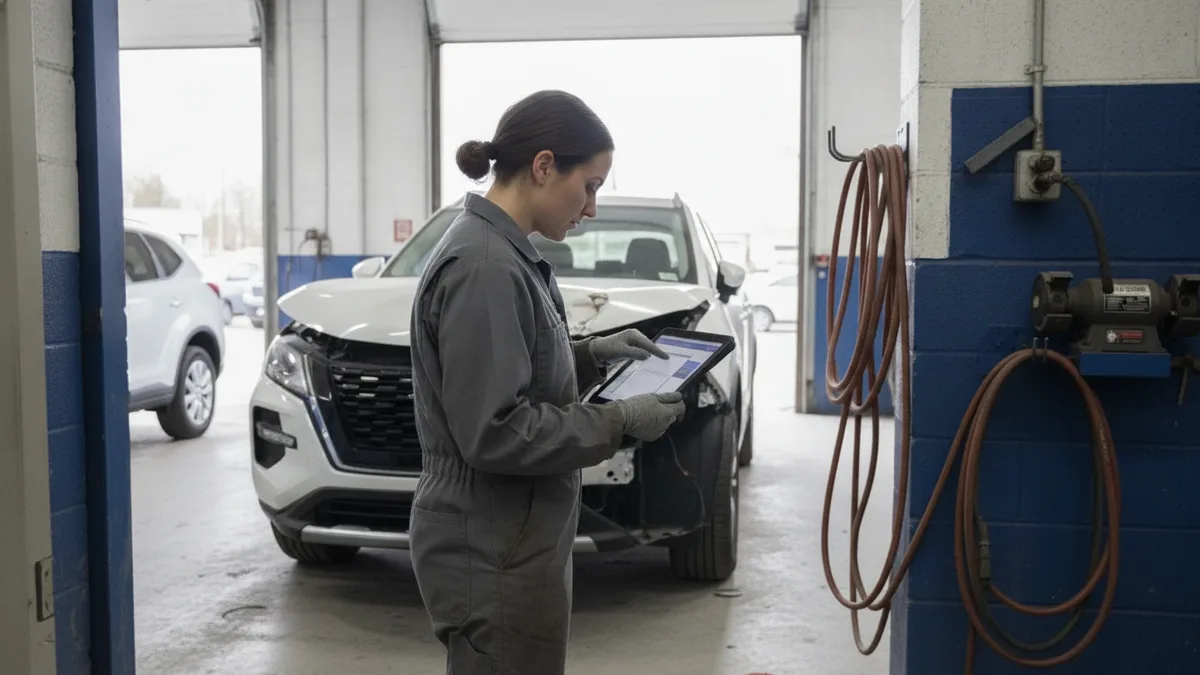
What Happens During a Professional Damage Assessment in Jamaica, Queens, NY: A Step-by-Step Guide
What a Professional Damage Assessment Covers
A professional damage assessment is a detailed inspection of a vehicle after a collision, covering visible body damage, hidden structural issues, and mechanical concerns, all documented in a written estimate that supports the insurance claims process. For drivers in Jamaica, Queens, NY, USA, ANA Auto Repair provides this evaluation before any repair work begins, giving both the customer and their insurer a clear, itemized picture of what the vehicle needs.
ANA Auto Repair has been assessing and repairing collision damage since 1994.
Picture a fender bender near a busy intersection in Jamaica. The bumper looks cracked, but there’s no way to tell from the outside whether the impact pushed damage into the frame rail or the sensors behind it. That’s exactly why an assessment goes further than a glance. Technicians photograph every panel, measure structural alignment, and check for damage that insurance adjusters might otherwise miss on a quick drive-by review. Our full range of collision and assessment services outlines what’s included, from initial inspection through final estimate. In our experience, skipping this step to save time usually costs more later, once hidden damage surfaces mid-repair.
The Initial Vehicle Inspection and Documentation
Every assessment starts the same way: a slow, methodical walk around the vehicle. No shortcuts here. A technician looks at panel gaps, checks for paint mismatch, and runs a hand along body lines to feel for ripples that the eye might miss. If a car came from an accident in South Jamaica or Richmond Hill, the visible damage is usually just the starting point, not the whole story.
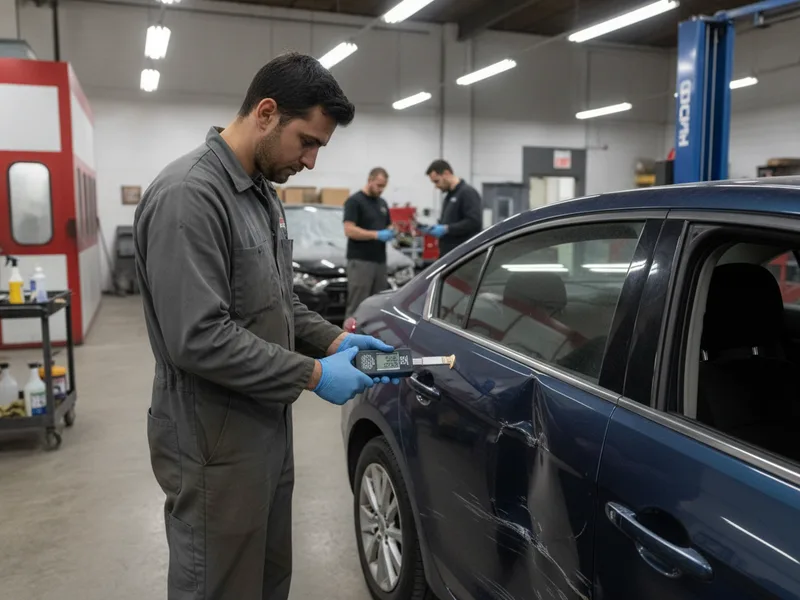
Paint depth gauges get used a lot at this stage. They measure the thickness of paint and filler on a panel, which tells a technician whether a section was repaired before, possibly from a prior accident that never got disclosed. This matters for insurance claim auto repair help because a shop needs to separate old damage from new damage before writing anything up. Skipping this step is how estimates end up wrong, and wrong estimates cause delays later.
The interior gets checked too. Airbags, seatbelt pretensioners, dash components, and electrical systems can all take damage that has nothing to do with the dented bumper someone called about. Many drivers assume interior damage only matters after a serious crash, but in our experience, even moderate impacts can trigger sensor faults or loosen wiring harnesses that won’t show symptoms right away.
Documentation That Actually Holds Up
Photos are taken from multiple angles: wide shots of the whole vehicle, close-ups of each damaged area, and reference shots of the VIN and odometer. Measurements get logged for panel alignment and gaps. Written notes describe anything a photo can’t fully capture, like a soft spot in a bumper or a sound coming from a wheel well.
This level of documentation isn’t paperwork for its own sake. It’s what an auto body shop for insurance claims needs to back up every line item on an estimate. Insurance adjusters review these files closely, and a thin or vague report is one of the fastest ways to get a claim questioned or delayed.
For drivers in Jamaica, Queens, NY, USA, this part of the process looks no different than it does anywhere else we work. While we’re based in Queens, NY, we handle assessments for Jamaica customers with the same documentation standards we use at our own location, and we’re glad to travel given how close the areas are to each other.
If a vehicle has active warning lights or airbag deployment, it’s worth having a qualified technician or mechanic confirm safety systems are functioning before the car goes back on the road.
Frame and Structural Damage Assessment
A cracked bumper cover can look worse than it is, while a frame bent an inch out of spec can hide behind a clean-looking fender. That mismatch between what a car looks like and what it actually needs is why frame checks matter so much, and why guessing from the outside is a habit we try to talk customers out of.
Once the surface inspection wraps up, a technician moves to measuring the frame and unibody against factory specifications. This usually involves a measuring system that checks reference points along the vehicle’s frame rails, floor pans, and mounting points, comparing them to what the manufacturer built the car to. Even a small deviation can affect how the vehicle handles, how airbags deploy, or how well it protects passengers in a future collision.
Structural damage isn’t always obvious. A door that closes a little stiff, a slight pull to one side while driving, or a tire wearing unevenly can all point to frame issues that a visual scan alone would miss. In our experience, some shops skip this step on lower-speed collisions because the damage “looks minor.” We’d rather measure and confirm than assume, since that’s the only way to know for sure whether a repair is cosmetic or structural.
This part of the assessment is also where I-CAR certified training makes a real difference. Frame and unibody repair requires specific technical knowledge, and shops with that certification are trained to identify damage patterns that inexperienced eyes can overlook. For any safety-related concern, it’s always reasonable to ask a qualified technician to walk through the findings before repairs move forward.
Drivers in Jamaica, Queens, NY, USA dealing with a suspected frame issue after a collision can request an estimate or assessment appointment to get a clear picture before deciding on next steps.
Estimating Scope, Parts, and Labor
Once the inspection is done, the real math starts. An assessor has to decide what parts a repair needs, whether those parts should be OEM or aftermarket, and how many labor hours the job will realistically take. None of that is guesswork. It’s based on manufacturer repair procedures, documented labor time guides, and current parts pricing pulled from suppliers.
OEM parts are made by the original manufacturer and typically cost more. Aftermarket parts are produced by third-party companies and usually run cheaper, but fit and finish can vary. Insurance companies sometimes push for aftermarket parts to control costs. In our experience, that’s not always the wrong call, but on newer vehicles or anything with sensor arrays near the bumper or fenders, OEM parts often make more sense for proper fit and function. A qualified technician should walk you through which option applies to your specific vehicle.
Labor estimates work the same way. Every repair task, from panel replacement to paint blending, has a standard time associated with it. An assessor references that data, then adjusts for anything unusual found during inspection, like corrosion or a hidden mounting bracket that’s harder to access than normal.
Paint is its own line item. Matching factory color takes more than picking a can off a shelf. Technicians blend formulas to account for fading and the specific finish on your vehicle, which is part of why paint and labor costs vary from one repair to the next.
A detailed estimate matters most once the insurance conversation starts. Vague or incomplete estimates get questioned, delayed, or reduced. A written breakdown that lists every part, every labor hour, and every material gives an adjuster less room to push back. That’s a big part of why choosing an auto body shop for insurance claims that documents thoroughly makes a real difference in how smoothly a claim moves forward.
For drivers across Jamaica, Queens, NY, USA, this stage of the process looks identical to what customers in South Ozone Park or Richmond Hill receive. Distance doesn’t change how an estimate is built or how carefully it’s reviewed.
Common Assessment Findings and Red Flags
Certain patterns show up again and again on the shop floor. Hidden frame damage behind an intact-looking bumper. Paint that doesn’t quite match because of a prior repair nobody mentioned. Suspension bolts that are stripped from a rushed job somewhere else. None of these are unusual, but they all change the scope of a repair once an assessor spots them.
Pre-existing dents matter too. A thorough inspection separates old damage from new, which protects both the customer and the accuracy of the estimate submitted to an insurer. Paint problems, like mismatched panels or a poor blend from an earlier fix, often add labor hours that a quick glance would miss entirely.
Watch for red flags in how an assessment gets handled, not just what it finds. A technician who walks around a car in two minutes and calls it done isn’t giving the vehicle a fair look. Any shop that won’t put an estimate in writing should raise questions immediately. So should a bid that comes in noticeably lower than two or three other quotes; in our experience, that gap usually means shortcuts on parts or labor, not savings.
Jamaica, Queens, NY, USA drivers dealing with an insurance claim benefit from choosing an auto body shop for insurance claims that documents everything plainly and explains findings without pressure. ANA Auto Repair’s insurance partner certifications and affiliations page outlines which providers we work with directly, which can simplify that comparison process for drivers weighing their options.
From Assessment to Insurance Approval and Repair
Once the assessment is written up, it doesn’t just sit in a file. It gets sent to the insurance company, usually along with photos, measurement printouts, and a parts and labor breakdown. An adjuster reviews all of it, sometimes asking follow-up questions if something needs clarifying.
Here’s the part most people don’t expect: a detailed, well-documented estimate moves faster through review than a vague one. Adjusters see hundreds of claims. When the paperwork answers their questions before they ask them, there’s less back-and-forth. That’s the practical value of a thorough auto body shop for insurance claims process, not just a nicer-sounding estimate, but one that actually holds up under scrutiny.
ANA Auto Repair works directly with insurance providers as an I-CAR certified shop and a PPG authorized paint center, and our experience includes being recognized as a Geico Xpress repair shop and part of the Allstate good hands repair network. That background means our documentation is formatted the way adjusters expect to see it, which can help move a claim along.
Drivers in Jamaica, Queens, NY, USA sometimes assume they have to use whatever shop their insurer suggests first. That’s not accurate. Policyholders generally have the right to choose their own repair shop, and it’s worth confirming those details directly with your insurance provider since policies vary.
Once a claim is approved, repair scheduling comes next: parts get ordered, labor gets planned, and the shop lines up the work based on what the assessment identified.
While we’re based in Queens, NY, we regularly work with customers throughout Jamaica, Queens, NY, USA and the surrounding area. Distance isn’t a barrier to getting the same level of assessment, documentation, and insurance coordination we provide anywhere else we serve.
Frequently Asked Questions
How long does a professional damage assessment typically take?
A damage assessment at ANA Auto Repair usually runs 30 to 60 minutes, depending on how complex the damage is. A fender scrape moves faster than a collision with frame or structural concerns. We offer same-day estimates for most vehicles brought to our Jamaica, Queens shop, so you typically leave with a written assessment in hand before the day is over.
Can I be present during the damage assessment at my auto body shop for insurance claims?
Yes, and we actually encourage it. Standing with the technician while they inspect your car lets you ask questions on the spot and understand exactly what’s damaged and why. You’re also welcome to take your own photos during the process at our Jamaica, Queens location, which can be useful for your personal records alongside whatever documentation the shop provides.
What should I bring when I drop off my car for a damage assessment?
Bring your insurance information, your driver’s license, and your keys. If you snapped photos at the scene of the accident, bring those too since they help fill in details the shop can’t see after the fact. Take a minute to remove valuables from the car and jot down any pre-existing damage you already knew about before the incident. Confirming exactly what your policy covers with your insurance agent beforehand can also save you a headache later.
Does the insurance company accept estimates from any auto body shop?
Insurance companies generally want estimates from shops with recognized certifications, not just any repair garage. ANA Auto Repair holds I-CAR certification and PPG authorization, plus designations from Geico and Allstate, which means major carriers are familiar with our documentation and how we assess damage. That said, coverage details vary by policy, so it’s worth checking directly with your insurance provider about which shops they’ll work with for your specific claim.
What happens if my insurance company disputes the damage assessment estimate?
Disputes happen more often than people expect, especially on estimates involving hidden or structural damage. When that occurs, a certified assessor, sometimes an independent adjuster or another certified shop, may come in to do a second inspection. ANA Auto Repair keeps detailed photo documentation and repair notes tied to I-CAR standards, which tends to speed up how quickly these disagreements get sorted out. For anything involving your claim’s outcome or payout, your insurance adjuster remains the right person to confirm final decisions with.
Get Your Vehicle Assessed by ANA Auto Repair
A thorough damage assessment after an accident tells you what actually needs fixing, and gives you documentation that holds up when you’re dealing with an insurance adjuster. Our team looks at both visible damage and the less obvious structural issues that often get missed in a quick estimate.
If you’re in Jamaica, Queens, NY, USA or the surrounding area, stop by or call us to set up an inspection. You can also learn more about our collision repair and damage assessment services before you come in, so you know what to expect. For a sense of how we’ve helped other drivers in the area, check out our reviews on Google. If your claim involves questions about coverage or liability, it’s worth confirming details with your insurance representative as well.