


Aluminum Frame Repair vs. Steel: Which Repair Method Your South Ozone Park Vehicle Needs
Aluminum vs. Steel Frames: The Core Difference
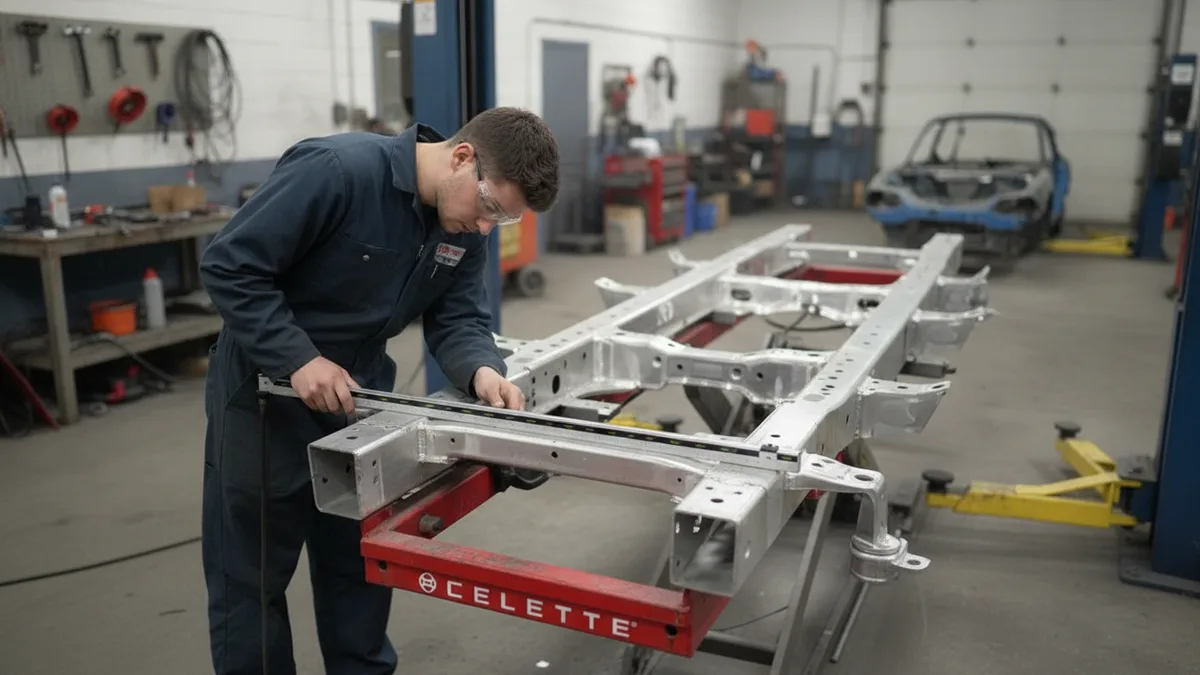
South Ozone Park, Queens, NY, USA vehicles need different repair approaches depending on whether the frame is aluminum or steel, and getting this wrong can affect how the vehicle handles and holds up long-term. Aluminum requires specialized welding equipment and heat control, while steel tolerates more traditional methods. ANA Auto Repair, an I-Car certified auto body shop, assesses each vehicle’s frame material before recommending a repair path.
Say a customer brings in a newer SUV after a fender bender near South Ozone Park. The frame rail looks bent, but the repair path depends entirely on what it’s made of.
Steel has been the standard in vehicle frames for decades because it’s strong, relatively cheap, and forgiving to work with. It can be heated, hammered, and pulled back into shape without losing much structural integrity. Aluminum behaves differently. It’s roughly a third the weight of steel for a comparable size, which is why automakers have shifted toward it to improve fuel efficiency. That weight savings comes with a trade-off: aluminum is far less forgiving under stress and can develop micro-fractures if it’s heated or worked incorrectly.
Repair complexity is where the two materials really diverge. Steel repair often allows for sectioning and welding using conventional tools already found in most body shops. Aluminum demands a dedicated, contamination-free workspace, specific welding gases, and equipment that never touches steel. Cross-contaminate the two metals during repair, and you risk corrosion issues down the road. That’s a detail some shops gloss over.
Industry standards from organizations like I-CAR reflect just how different these repair disciplines are, which is why aluminum-specific training exists separately from general collision repair certification. ANA Auto Repair has held that training since building out its aluminum welding capabilities. Anyone weighing repair options can review the shop’s frame and collision repair services to see how material-specific repair is handled from assessment through completion.
Why Aluminum Repair Demands I-CAR Certification
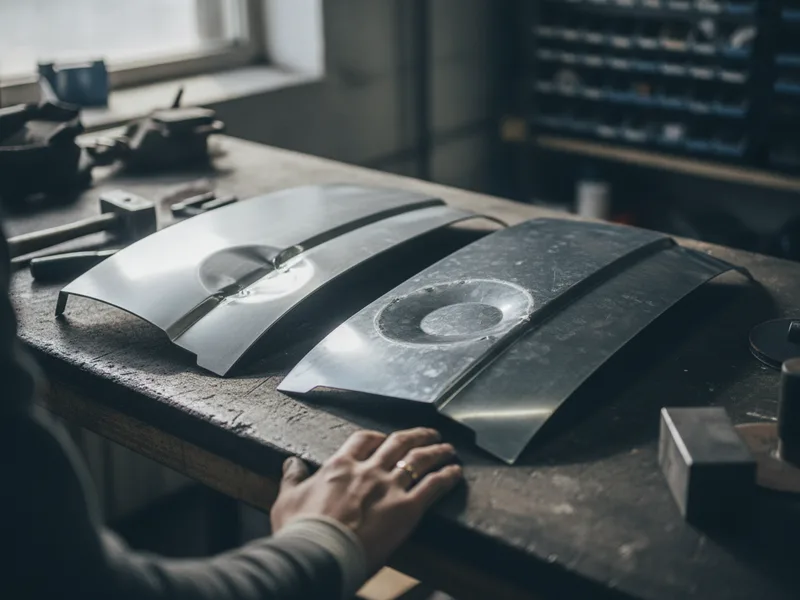
Aluminum doesn’t forgive mistakes the way steel does. It has a lower melting point, so a welder used to working on steel frames can burn through an aluminum panel before realizing what happened. Overheat it, and the metal turns brittle right where the vehicle needs its strength most. That’s not a small detail. It’s the difference between a repair that holds up and one that fails quietly, months later.
This is where I-CAR certification matters. I-CAR (the Inter-Industry Conference on Auto Collision Repair) sets training standards for technicians working on modern vehicle structures, and aluminum repair has its own separate certification track from steel. A technician can be excellent at steel frame work and still have zero training on aluminum. Those are two different skill sets, not one skill applied to two materials.
An I-CAR certified auto body shop trains technicians specifically in aluminum’s behavior: how it conducts heat, how it work-hardens, and how it needs to be welded in a dedicated, contamination-free environment separate from steel work. Cross-contamination between aluminum and steel dust can cause corrosion issues down the road, which is why certified aluminum welding centers keep separate tools, separate workstations, and sometimes separate rooms entirely.
What Uncertified Shops Often Can’t Do
Shops without aluminum-specific certification typically lack:
-
Dedicated aluminum welding equipment that won’t cross-contaminate with steel work
-
Technicians trained on aluminum’s heat sensitivity and repair thresholds
-
Access to manufacturer repair procedures for aluminum-intensive vehicles
-
The ability to verify a repair meets factory structural specifications
In our experience, this gap catches people off guard. A shop can do excellent bodywork and still hand back an aluminum frame that’s technically weaker than before the accident, and there’s no visible way to tell just by looking at it.
For drivers throughout South Ozone Park, Queens, NY, USA, this matters more each year as aluminum use spreads across more makes and models, not just luxury vehicles. ANA Auto Repair is an I-CAR certified aluminum welding center, and while our shop is based in Queens, we regularly work with vehicles from South Ozone Park and the surrounding area, applying the same certified process regardless of where the car comes from.
If you’re unsure whether your vehicle has an aluminum frame or aluminum structural components, checking with a certified technician is worth the conversation. For general background on I-CAR’s training standards, I-CAR’s official site outlines what different certification levels actually cover.
Equipment and Techniques: Steel vs. Aluminum Repair
Walk into a shop’s equipment room and you can usually tell within minutes whether they’re set up for aluminum work or just hoping their steel tools will get the job done. That gap shows up fast on a real repair.
Steel frame repair relies on MIG welders, resistance spot welders, and pulling equipment that most collision centers already own. Steel tolerates heat variation, so a shop can use shared tooling across multiple bays without much risk of cross-contamination. Aluminum is a different story. It requires dedicated MIG welders set to aluminum-specific parameters, along with a separate work area to prevent steel particles from contaminating the aluminum surface. Even a small amount of steel dust embedded in aluminum can trigger corrosion down the road, which is why I-CAR certified auto body shops keep aluminum tools, brushes, and grinding wheels completely separate from steel equipment.
Straightening also differs. Steel frames get pulled back into shape using anchoring systems that can apply significant force without much concern for cracking. Aluminum panels need slower, more controlled pulling because the metal work-hardens as it’s stretched, meaning it gets more brittle each time force is applied. Push too hard, too fast, and the panel can crack instead of straighten.
Diagnostic tools tell a similar story. Both materials benefit from precision measuring systems that check frame dimensions against factory specifications, but aluminum repairs often call for additional documentation since insurers and manufacturers want proof the work followed approved procedures.
Here’s an opinion from years of doing this work: a lot of shops assume good steel equipment translates to good aluminum results with a few tweaks. It doesn’t. In our experience, the shops that struggle most with aluminum are the ones treating it as a variation on steel repair rather than its own discipline with its own rules.
For South Ozone Park, Queens, NY, USA drivers, this distinction matters more each year as automakers expand aluminum use in frames and body panels. While we’re based in Queens and not physically located in South Ozone Park, we regularly work on vehicles from the area and maintain the same equipment standards for every repair, regardless of which neighborhood a customer drives in from.
Common Aluminum Repair Mistakes and Warning Signs
Bad aluminum work doesn’t always look bad at first. That’s the problem.
One of the most common mistakes we see involves heat. A tech pulls out a torch or runs a weld hotter than aluminum can tolerate, and the metal weakens right at the repair point. It might hold for a while. Eventually, that weak spot gives out, sometimes as cracking, sometimes as a failure under stress the frame was never designed to handle.
Rod and filler selection is another spot where shops cut corners. Aluminum alloys vary, and using the wrong filler material can create a repair that looks clean but doesn’t bond properly. Skipping stress relief steps after welding is a similar issue; the metal stays internally stressed, which raises the risk of cracking down the road even if nothing looks wrong on the surface.
Corrosion is a red flag too. Aluminum forms an oxide layer almost instantly when exposed to air, and if a shop doesn’t clean and prep the metal correctly before repair, that oxide gets trapped under the work. That leads to premature rust-like breakdown, even though aluminum doesn’t rust the way steel does.
For South Ozone Park, Queens, NY, USA vehicle owners, these details matter because a frame repair that looks finished isn’t the same as one that’s been done correctly. In our experience, the shops most likely to make these mistakes are the ones improvising with steel-era habits on aluminum jobs. Reviewing a shop’s background in certified aluminum welding work can help you understand what training and equipment actually back up the repair.
How to Verify Your Repair Shop’s Aluminum Capabilities
Most drivers ask one question before dropping off a vehicle: how much and how long. Those matter, but they tell you almost nothing about whether a shop can actually handle aluminum. We’d rather field five questions about certifications and equipment than have a customer find out after the fact that their frame wasn’t repaired to spec.
Start simple.
Ask if the shop is an I-CAR certified auto body facility, and ask specifically about aluminum structural repair training, not just general collision certification. Those are different credentials, and a shop can hold one without the other. A shop confident in its qualifications will show you documentation without hesitation.
Questions Worth Asking
-
Does your team hold I-CAR aluminum welding certification, and can I see it?
-
Do you have a dedicated, contamination-controlled workspace for aluminum repair?
-
What brand of riveting and welding equipment do you use for aluminum frames?
-
What warranty applies to the structural work specifically, not just paint or bodywork?
-
Do you use OEM parts, aftermarket parts, or a mix, and why?
Written estimates matter here too. A shop unwilling to put pricing and scope in writing is a warning sign worth taking seriously, regardless of how confident they sound in person. The same goes for a shop that can’t clearly explain what warranty backs their aluminum work.
Drivers throughout South Ozone Park, Queens, NY, USA are often surprised to learn they can choose their own repair shop rather than the one an insurer suggests first. Vehicles from South Ozone Park and the surrounding Queens communities come through our shop regularly, and we’re glad to walk through certifications and equipment with anyone comparing options before deciding. If a legal or insurance question comes up during that process, a licensed adjuster or attorney can clarify your specific coverage terms.
What Your Insurance and Your Vehicle’s Make Really Tell You
Not every vehicle rolling into a body shop needs aluminum repair. Some do, some don’t, and a lot fall somewhere in between with hybrid construction that mixes both metals depending on the panel.
Full aluminum frames show up mostly on certain luxury and performance models, along with a growing number of pickup trucks that switched to aluminum bodies over the past decade or so. Plenty of everyday sedans and SUVs still use steel unibody construction, or a mix where the hood and fenders are aluminum but the frame rails are steel. Your vehicle’s make, model, and model year determine which category it falls into, not a guess based on how the car looks.
Here’s where we push back a little on common advice: some guides tell drivers to just check their owner’s manual and move on. In our experience, that’s a decent starting point, but body construction can change between model years or trim levels even under the same nameplate. A collision repair estimate should identify the exact materials involved before any work starts, not after.
Insurance companies sometimes reference “average” repair costs or timelines that don’t account for aluminum-specific labor and equipment needs. That’s worth asking about directly with your adjuster and your repair shop, since figures can vary by vehicle and damage.
For drivers in South Ozone Park, Queens, NY, USA, this matters just as much as it does for anyone closer to our shop in Queens. We work with the same range of steel, aluminum, and hybrid vehicles across the areas we serve, and we’re glad to look up your vehicle’s construction details before you commit to a repair plan.
The Real Cost of Choosing an Uncertified Shop
We’ve pulled apart plenty of repairs where the first fix looked fine for a few months, then failed right where it mattered. That pattern is common enough that we’ve stopped being surprised by it. A cheaper estimate on aluminum work usually means shortcuts, and shortcuts on a frame don’t show themselves right away.
Improperly repaired aluminum can crack under stress that steel would handle without issue. Micro-fractures from incorrect welding temperatures often don’t appear until months later, sometimes after another minor impact that a properly repaired frame would have absorbed without new damage. Aluminum also reacts differently to corrosion than steel does; mixed metal contact or improper sealing can trigger galvanic corrosion that eats away at the frame from the inside, long before rust would show up on a steel repair done the same way.
Resale value takes a hit too. A vehicle history report showing frame damage is one thing. One that shows frame damage repaired at a shop with no aluminum certification raises questions for any buyer who checks. Manufacturer warranties can be affected as well, since automakers that specify aluminum construction often expect repairs to follow their documented procedures, not generic steel methods applied to a different metal. A qualified repair professional can walk you through what your specific vehicle’s warranty terms actually require.
The price gap between an I-CAR certified auto body shop and one without that training is rarely as large as people assume, especially once you weigh it against a repair that has to be redone. In our experience, that difference is closer to an investment in how the vehicle holds up over the years it’s still on the road. We’re based in Queens, but South Ozone Park, Queens, NY, USA drivers get the same certified process, and our South Ozone Park auto body services page outlines what that looks like locally.
Frequently Asked Questions
What happens if an aluminum frame is repaired with steel welding techniques?
Aluminum frames don’t respond well to steel welding methods, and the results can cause real problems down the road. Steel melts around 2,500°F, but aluminum gives way at roughly 1,220°F. Apply steel-level heat and you risk overheating the metal, which weakens it and can leave behind brittle spots or micro-cracks. Those weak points might not show up right away. They tend to surface later, under normal driving stress or in a future collision, which is exactly when you don’t want a frame to fail.
How can I tell if my vehicle has an aluminum frame or a steel frame?
Your vehicle’s build year is a good starting clue. Cars made from around 2015 onward often use a fair amount of aluminum in the frame and body panels. Your owner’s manual or the manufacturer’s specs will confirm it directly. If you’re not sure where to look, bring the vehicle by our shop in South Ozone Park, Queens, and we’ll take a look. Your insurance company usually has this information on file too.
Do I have to use an I-CAR certified shop for aluminum repairs?
No, you’re not legally required to use an I-CAR certified auto body shop, even if your insurance company suggests one. You can take your vehicle wherever you’d like. That said, aluminum repair without the right certification carries real risk. Shops without proper training can produce repairs that don’t hold up, and that can void manufacturer warranties or lead to expensive problems later. Most insurers and manufacturers recommend certified shops for this reason, and it’s worth asking a qualified professional about your specific vehicle’s warranty terms before deciding.
How much longer does aluminum frame repair typically take compared to steel?
Aluminum frame repairs usually add somewhere around 10 to 30% more time compared to steel work, though the exact difference depends on the damage and the vehicle. That extra time goes toward careful prep work, controlled heating, stress relief steps, and a thorough post-repair check. Skipping or rushing any of these steps is where shortcuts turn into bigger issues. A slower, careful process is part of what a proper aluminum repair looks like.
Will an aluminum frame repair hold up as well as a factory frame?
An aluminum frame repair can meet factory specifications when it’s done correctly by a shop with the right training and equipment. The details matter here: the correct welding rod, careful heat control, and proper stress relief all play a part in getting the repair right. That’s the whole reason I-CAR certification exists, and it’s why we recommend customers in South Ozone Park, Queens ask about a shop’s aluminum-specific training before committing to a repair.
Get an Honest Answer About Aluminum vs. Steel Frame Repair
Guessing which repair method your vehicle needs isn’t something you should have to do alone. ANA Auto Repair’s I-CAR certified technicians can look at the actual damage and tell you straight, no upselling, no guesswork, just what your frame actually requires to get back to a safe, drivable condition.
Stop by our shop or reach out to schedule a damage assessment; we work with drivers throughout South Ozone Park, Queens, NY, USA and the surrounding neighborhoods. Take a look at our frame repair and collision repair services to see the kind of work we do, and feel free to check out our reviews on Google before you decide. For any structural concerns, it’s worth having a qualified technician confirm the extent of the damage in person before you make a call either way.