


Unibody Repair and Advanced Frame Correction: Your Certified Collision Repair Center in Queens, NY
Why Unibody and Frame Integrity Matter After a Collision
A driver pulls onto Cross Bay Boulevard after getting rear-ended at a light in Ozone Park. The car looks okay from the outside. Maybe a crumpled bumper, some paint transfer. But underneath, the rear unibody rails have buckled inward by nearly an inch, pushing load paths out of alignment in ways you can’t see from a parking lot inspection.
That’s the scenario that keeps experienced technicians up at night. Visible damage is easy to address. Hidden structural damage is where vehicles quietly become dangerous.
Unibody vs. Traditional Frame Construction
Most vehicles on the road today use a unibody design, where the body and frame are a single welded structure. There’s no separate ladder frame underneath. The entire shell absorbs and distributes crash energy, which is why precise repair matters so much. Traditional body-on-frame construction, still common in trucks and larger SUVs, is more forgiving of isolated repairs, but unibody vehicles don’t tolerate patchwork corrections.
Deform one section of a unibody and you’ve changed the load path through the entire structure. That affects how your car steers, how it handles weight transfer in a curve, and critically, how it performs in a subsequent collision.
What Improper Repair Actually Costs You
A lot of drivers assume that if the car drives fine after a repair, the frame is fine. That’s not accurate. Misaligned unibody geometry can cause uneven tire wear long before you notice a pull in the wheel. It can cause fuel efficiency to drop as rolling resistance increases on a vehicle that’s no longer sitting square. And modern driver-assist systems, including lane departure warning and automatic emergency braking, can be miscalibrated by structural shifts that measure less than a centimeter.
Safety systems aren’t optional anymore. They depend on the vehicle being geometrically correct.
That’s exactly why choosing a certified collision repair center matters beyond just getting a clean paint job. At ANA Auto Repair, we’ve been doing structural repair in Queens since 1994, and our I-CAR certifications mean our technicians train specifically on modern unibody systems. You can stop in at our South Ozone Park shop for a same-day estimate, and we’ll show you exactly what’s going on with your vehicle’s structure before any repair decision gets made.
Frame integrity isn’t cosmetic. It’s the difference between a car that protects you and one that only looks like it will.
What Happens During a Professional Frame Assessment
Most drivers assume a frame inspection is a quick look underneath the car. It’s not. A thorough assessment at a certified collision repair center takes time, specialized equipment, and a trained eye that knows where damage hides after a collision.
Here’s the honest truth: a lot of shops skip steps during the assessment phase. They eyeball the damage, write an estimate, and move on. That’s how hidden structural problems get missed, and how cars end up back in the shop weeks later with suspension issues or alignment drift that nobody caught the first time.
At ANA Auto Repair in South Ozone Park, we don’t work that way. We’ve been doing this since 1994, and the assessment is where we earn our reputation, not the paint booth.
What a Proper Frame Assessment Includes
A certified technician starts with a full visual inspection of the vehicle’s undercarriage, looking for buckled rails, cracked welds, and stress fractures that don’t always show up in photos. Then comes the measurement phase.
-
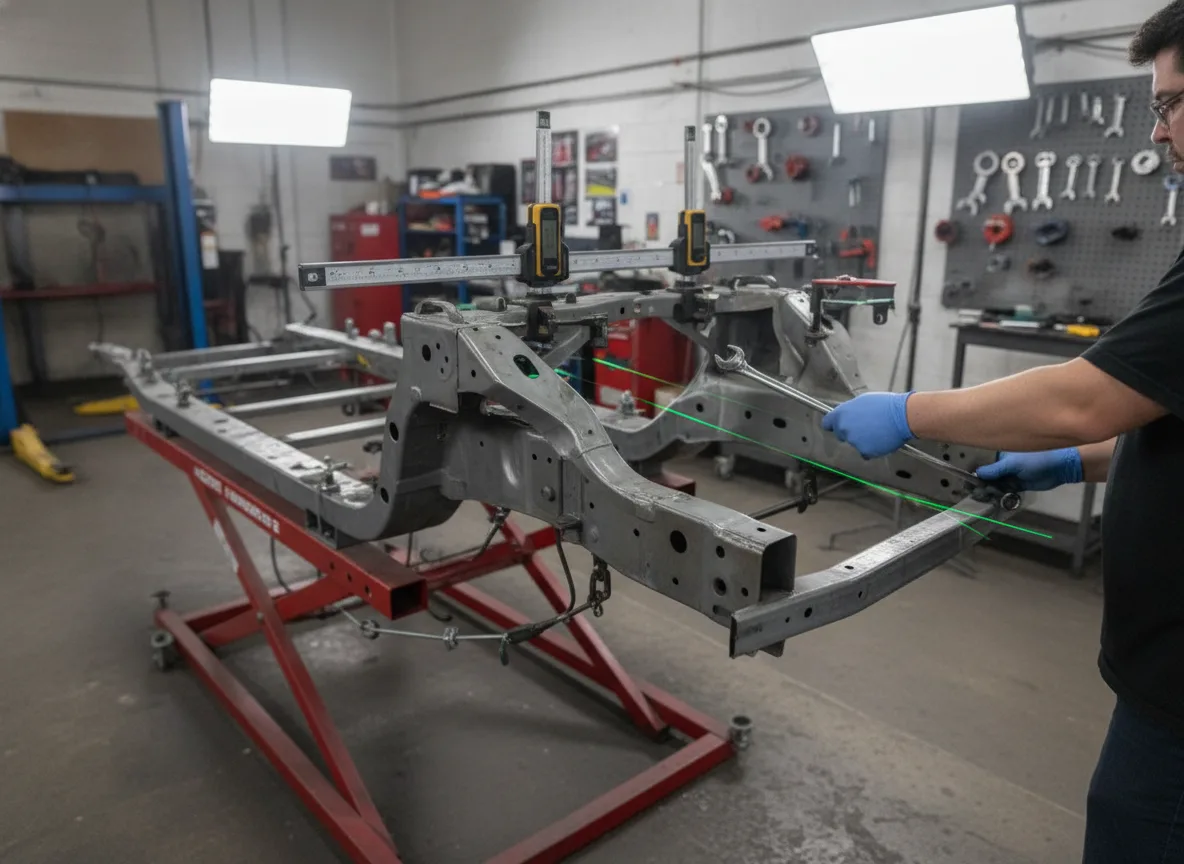
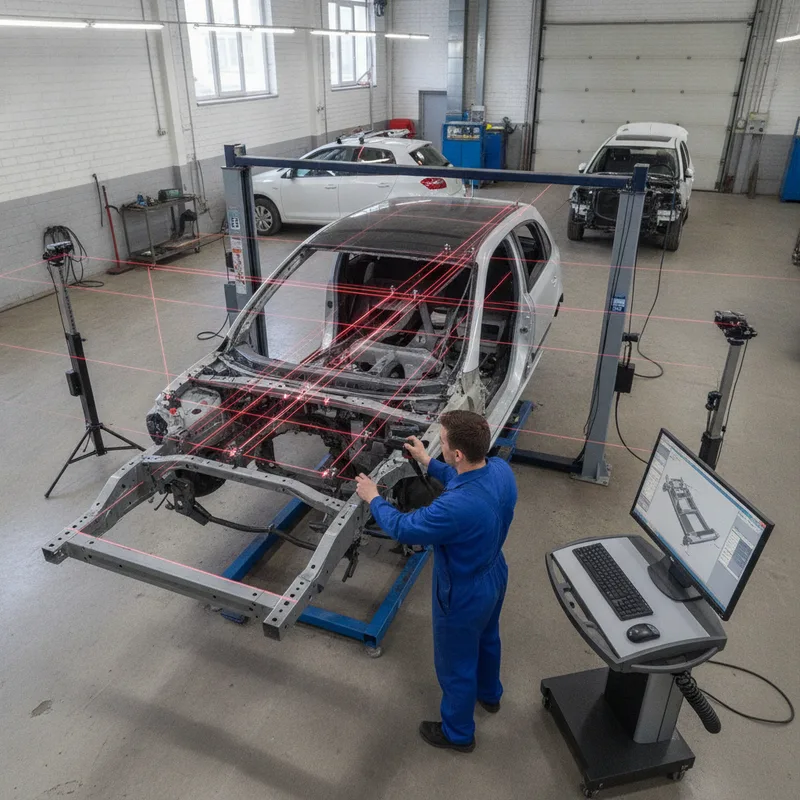
Laser and electronic measuring systems compare your vehicle’s actual dimensions against factory specs, often to within a millimeter
-
Pull points and stress mapping identify where force traveled through the structure during impact
-
Visual weld inspection checks for cracked or separated factory welds along unibody seams
-
Safety system review flags sensors and ADAS components that may need recalibration after even minor structural work
That last item gets skipped constantly across the industry. Lane-keep assist and automatic emergency braking can go out of calibration after frame correction, and a shop focused on speed over accuracy won’t always flag it.
After measurements are complete, you’ll get a written estimate that details every repair point. No vague line items. No verbal-only quotes you can’t hold anyone to. Our same-day estimate process means you leave with something in hand, not a promise to call you back.
Drivers coming in from Richmond Hill, Jamaica, or anywhere across Queens, NY deserve that level of transparency before a single repair begins. The frame and unibody services we provide start with getting the diagnosis right.
Advanced Frame Correction Techniques I-CAR Certified Shops Use
Most frame pulls done wrong share one thing in common: they’re done fast. A technician hooks up a chain, applies force in one direction, and calls it straight when the measuring tape looks close enough. That approach might clear a visual inspection, but it leaves stress concentrated in the wrong places and geometry that’s never quite right.
Proper frame correction doesn’t work that way.
I-CAR training teaches technicians to think about collision energy before touching the frame. A rear impact doesn’t just damage the rear rails. The force travels forward through the floor, the rocker panels, and sometimes all the way to the firewall. Correcting only what’s visible is one of the most common technical mistakes in this trade, and it’s exactly the kind of oversight that comes back as a handling problem or a failed alignment six months later.
Dedicated Fixture Systems and Multi-Point Pulling
The equipment difference between a certified shop and a cut-rate operation is significant. Dedicated fixture systems, sometimes called jig systems, anchor the vehicle to manufacturer-specified reference points before any correction begins. This gives technicians a fixed baseline so they can measure displacement accurately and track progress in real time rather than guessing.
Multi-directional pulling is another area where training matters. Collision damage rarely moves a frame in one clean direction. A properly equipped shop applies simultaneous pulls at calculated angles to reverse the actual path the impact took. Pulling in a single direction on complex damage can introduce new distortion while correcting the obvious damage.
At ANA Auto Repair, our technicians hold I-CAR certification and work with this equipment daily. We’ve been doing this since 1994, and the technology has changed considerably over those decades. Staying current with updated measuring standards and repair procedures isn’t optional for a serious shop.
Recalibration After Correction
Here’s something many shops skip entirely. Modern vehicles carry sensors tied to lane assist, automatic emergency braking, and adaptive cruise control. Frame correction shifts the geometry these systems depend on. Skipping recalibration after a frame repair leaves those safety systems operating on bad data.
A legitimate certified collision repair center in Queens, NY builds recalibration into the repair process rather than treating it as optional. The frame work and the sensor alignment belong together.
If you want to see our full frame repair and collision services, or you’re ready to talk about your vehicle, you can reach us directly to schedule an estimate.
Common Frame Damage Warning Signs You Shouldn’t Ignore
Your car doesn’t always tell you it has frame damage in an obvious way. Sometimes the signs are subtle, and that’s exactly why they get missed.
After any collision, watch for these red flags:
-
Doors or windows that suddenly stick, bind, or don’t latch properly. This often means the surrounding structure has shifted, even slightly.
-
Uneven body panel gaps. Run your eye along the gap between the hood and fender, or the door and the rocker panel. Gaps that are wider on one side than the other aren’t a cosmetic issue.
-
The car pulling to one side while driving straight. Most drivers chalk this up to a wheel alignment problem. Sometimes it is. But persistent pulling after a collision can also point to frame twist that a simple alignment won’t fix.
-
Unusual tire wear patterns. If your tires are wearing unevenly and the alignment checks out, the geometry of the unibody itself may be compromised.
-
Suspension that feels loose or unpredictable. The suspension mounts directly to the unibody structure. When that structure shifts, the suspension behavior changes with it.
-
Visible creasing or rippling under the vehicle. Trust what you see.
Here’s a professional opinion most shops won’t say out loud: waiting on an inspection is almost always a mistake. Minor collisions on Woodhaven Boulevard or a parking lot in South Ozone Park can produce hidden structural damage that only shows up later, usually at the worst possible moment.
If any of these signs sound familiar, a certified collision repair center in Queens, NY should assess the vehicle before you put more miles on it. The longer you drive on compromised structure, the more expensive the repair becomes.
Why Aluminum Frame Repair Requires Specialized Training
Steel forgives mistakes. Aluminum doesn’t. That’s something you learn quickly when you’re working on modern vehicle frames, and it’s a distinction that separates shops equipped to handle today’s vehicles from those quietly hoping nobody brings one in.
More manufacturers have shifted to aluminum-intensive construction over the past decade. Ford’s F-150, most late-model Audis, and a growing list of luxury and performance vehicles use aluminum structural components to reduce weight and improve efficiency. The problem is that aluminum behaves completely differently under heat. Standard MIG welding techniques used on steel can compromise the metal’s integrity, introduce porosity, and weaken the repair area rather than strengthen it.
Aluminum also doesn’t show stress the same way steel does. A steel frame that’s been overworked tends to crack visibly. Aluminum can look fine and still be structurally compromised. That’s not a reason to avoid aluminum vehicles. It’s a reason to choose your repair shop carefully.
ANA Auto Repair holds I-CAR certification specifically for aluminum welding, which goes well beyond standard collision training. I-CAR’s aluminum welding certification requires hands-on testing and demonstrated proficiency, not just coursework. Our team has put in that work. You can learn more about our certifications and background on our about us page.
Proper aluminum repair also requires dedicated tools kept completely separate from steel equipment. Cross-contamination between steel particles and aluminum causes corrosion. A shop that uses the same grinder on both materials is doing it wrong, regardless of how confident they sound about it.
As a certified collision repair center serving Queens, NY, we’ve invested in the right equipment and the right training because modern vehicles demand it. If your car has aluminum structural components, that investment isn’t optional. Visit us in South Ozone Park or reach out to schedule an assessment.
The Complete Unibody Repair Process: From Assessment to Alignment
Every repair starts with measurement. Not a visual once-over, not a technician’s gut feeling. Actual numbers pulled from a calibrated measuring system compared against factory specifications for that specific vehicle. At ANA Auto Repair, that’s where every unibody job begins, and it doesn’t end until those numbers check out again at the finish line.
Here’s the honest sequence of what a proper repair looks like:
-
Damage documentation. Photos, written notes, and a full digital measurement scan. This establishes the baseline before anything is touched.
-
Disassembly of affected panels. Hidden damage doesn’t reveal itself until surrounding components come off. Rushing past this step is one of the most common ways frame damage gets missed entirely.
-
Pulling and straightening. Using a dedicated frame rack, technicians apply controlled, measured force to return structural components to factory tolerances. This isn’t guesswork. I-CAR training establishes specific procedures for each type of structural correction.
-
Sectioning or welding where required. Compromised sections that can’t be straightened get replaced using manufacturer-approved methods.
-
Reassembly and corrosion protection. Any area that’s been cut, welded, or exposed needs proper sealing before the vehicle goes back together.
-
Alignment verification. A four-wheel alignment confirms the geometry is correct. Skipping this after structural work isn’t just sloppy; it’s a safety problem.
-
Safety system recalibration. This is the step most drivers don’t expect, and many shops quietly skip it. Cameras, sensors, lane-keeping systems, and automatic emergency braking can all lose calibration after structural repairs. They need to be reset and verified before the car leaves the shop.
A lot of people assume alignment is just about the tires wearing evenly. That’s a partial truth. Proper alignment after unibody work is about making sure every safety system on the vehicle is working from accurate geometric reference points. If those points shifted during a collision and weren’t fully corrected, the sensors are reading a world that doesn’t match reality.
ANA Auto Repair has operated as a certified collision repair center in Queens since 1994. Our I-CAR certified team follows a structured repair workflow on every job, not just the major ones. You can review our full repair capabilities here, or stop by our South Ozone Park location for a same-day estimate. We’re straightforward about what the repair involves and what it costs before any work begins.
Choosing a Certified Collision Repair Center: What Questions to Ask
Most drivers pick a shop the same way they pick a restaurant: first result, decent reviews, close enough. That’s a reasonable starting point, but frame and unibody work demands a harder look before you hand over your keys.
Start with certifications. I-CAR and ASE credentials aren’t just wall decorations. They tell you whether the technicians working on your vehicle have been trained to current repair standards, not whatever they picked up a decade ago. At ANA Auto Repair, the shop has carried I-CAR certification since long before it became a common marketing bullet point. That history matters.
Ask about parts. Specifically, ask whether they use OEM or aftermarket components and get the answer in writing on the estimate. Some shops default to aftermarket to protect their margins, which isn’t always wrong, but you deserve to know before the work starts. A shop that won’t put that detail in the estimate is telling you something.
Get the warranty spelled out clearly. Labor, parts, paint. Separately. A blanket “we stand behind our work” means nothing without defined terms.
Insurance approvals are worth verifying directly. ANA Auto Repair is a Geico Xpress repair facility and part of the Allstate Good Hands network, which streamlines the claims process considerably. But here’s the part many Queens drivers don’t know: your insurer cannot legally require you to use a specific shop. You choose. The shop doesn’t have to be on a preferred list to handle your claim.
One more thing that often gets overlooked: ask whether the shop recalibrates safety systems after structural repairs. Lane assist, automatic braking, forward collision warnings. These systems can be knocked out of spec by collision work and skipping recalibration is one of the most common shortcuts in the industry.
If you’ve got questions or want a same-day written estimate, stop by or reach out to ANA Auto Repair in South Ozone Park. Walk-ins are welcome, and the team has been straightforward with Queens drivers since 1994. That reputation doesn’t happen by accident.
Frequently Asked Questions
How do I know if my vehicle has frame damage after a collision?
There are a few things to watch for after a collision. If your doors or hood aren’t lining up the way they used to, you notice uneven gaps between body panels, your car pulls to one side while driving, or you’re hearing unusual sounds from the suspension, those are all red flags for possible frame damage. Some damage isn’t visible to the naked eye, which is why we use laser measurement tools to catch hidden issues. At ANA Auto Repair, our certified collision repair center in Queens, NY, USA, we offer same-day estimates so you don’t have to wait to find out what you’re dealing with.
What’s the difference between unibody and traditional frame repair?
On older vehicles, the frame and body are two separate pieces. On most modern cars, they’re built as one unit, and that’s called a unibody construction. With a unibody, you can’t just straighten a bent section the same way you would a traditional frame. It requires precision adjustments using specialized equipment and technicians who know exactly how that structure is supposed to behave. I-CAR certified technicians are trained specifically for this kind of work, which is why choosing a qualified certified collision repair center matters so much for your safety.
Why is I-CAR certification important for frame repair shops?
I-CAR certification means technicians have been trained and tested to meet industry standards in areas like welding, structural measurement, and repair procedures. Cars keep evolving, and I-CAR ensures shops stay current with those changes. It’s not just a badge on the wall. It reflects a real commitment to doing the job correctly and safely. At ANA Auto Repair, our I-CAR certified team in Queens, NY, USA works to make sure every repair meets the standards you’d expect from a trusted certified collision repair center.
Can I choose my own repair shop even if my insurance suggests another location?
Yes, absolutely. You have the right to choose where your vehicle gets repaired, regardless of what your insurance company recommends. That said, it’s smart to verify that the shop you pick has solid certifications and a good reputation. ANA Auto Repair is approved by Geico Xpress and Allstate’s Good Hands Network, so working with your insurance company is straightforward. We maintain our own independent standards as a certified collision repair center, so you’re not getting less quality just because we work with insurers.
How long does unibody and frame repair typically take?
It really depends on the extent of the damage. Minor frame work can sometimes be completed in a single day, while more serious structural repairs can take several weeks. We know that being without your vehicle is inconvenient, so we give you a clear timeline right at the estimate stage and keep you updated as the repair progresses. When you bring your vehicle into our shop in Queens, NY, USA, we don’t believe in surprises. You’ll know what to expect from the start.
Get Your Frame Repair Done Right at ANA Auto Repair in Queens, NY, USA
If your vehicle took a hit and you’re worried about structural damage, come see us at ANA Auto Repair in South Ozone Park. Our I-CAR certified technicians can assess your frame the same day and walk you through exactly what needs to be done to get your car back to safe, proper condition. We serve drivers from Ozone Park, Howard Beach, Jamaica, Richmond Hill, and all across Queens, and we’d love to help you too.
Stop by, give us a call, or check out our reviews on Google to see what your neighbors are saying about our work. Come in today for your same-day frame repair estimate and let’s get your vehicle back on the road safely.