


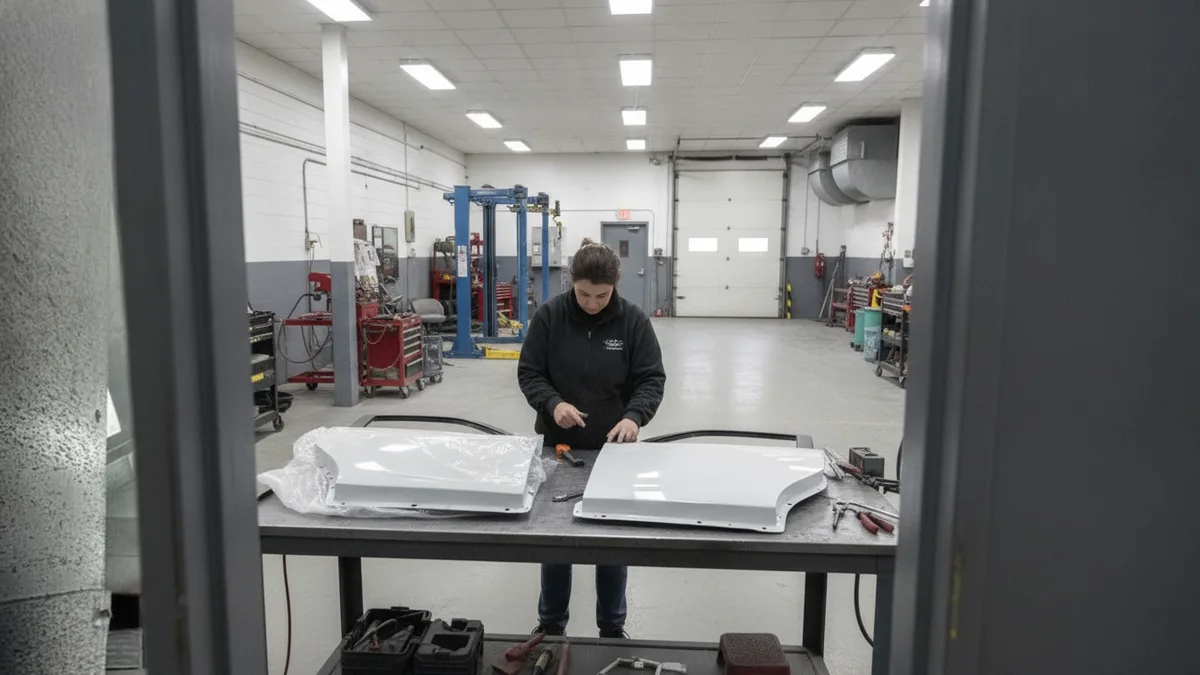
OEM vs. Aftermarket Parts in Queens, NY: What You Need to Know for Your Vehicle Repair
The Short Answer: Why OEM Parts Are Worth the Investment
OEM (Original Equipment Manufacturer) parts are built by or for your vehicle’s manufacturer, so they match factory specs for fit, safety performance, and finish. Aftermarket parts are made by third-party companies and can vary widely in quality. For most collision repairs in Queens, NY, USA, OEM parts tend to hold up better over time and support stronger resale value, though the right choice depends on the vehicle’s age, the type of repair, and your budget. ANA Auto Repair has been handling this decision with drivers since 1994.
Picture a driver in South Ozone Park who just had a fender bender near a busy intersection. The insurance adjuster mentions aftermarket parts to keep costs down, but the car is only two years old and still under warranty. That’s the kind of situation where OEM parts usually make more sense, since a mismatched panel or an ill-fitting bumper can create problems down the road. Our team walks customers through these tradeoffs as part of our collision repair services overview and capabilities, so nobody has to guess.
Understanding the Difference: OEM vs. Aftermarket Parts
OEM stands for Original Equipment Manufacturer. These parts come directly from the company that built your car, or from a supplier working under contract with that automaker. A Honda fender made by Honda’s supplier meets the exact same blueprints, metal gauge, and coating specs used on the assembly line. Nothing is guessed at.
Aftermarket parts come from a different pool of manufacturers entirely, often overseas, and they aren’t tied to any single automaker. Some aftermarket suppliers do solid work. Others cut corners on steel thickness or corrosion coating to hit a lower price point. There’s no universal standard forcing every aftermarket part to match factory tolerances, which is part of what makes the OEM vs. aftermarket parts decision more complicated than it looks on paper.
The supply chain matters here. OEM parts get certified through the automaker’s own quality process before they ever reach a body shop. Aftermarket parts get certified, if at all, through third-party groups like the Certified Automotive Parts Association (CAPA). A CAPA sticker is a decent signal, but it’s not the same level of scrutiny an automaker applies to its own components.
For drivers across Queens, NY, USA, this distinction shows up constantly in real repair work. Bumper covers, fenders, headlight assemblies, and hood panels are the parts most commonly swapped between OEM and aftermarket options after a collision. Structural components, airbags, and safety-related electronics are a different story. Most shops, including ours, stick with OEM for anything tied directly to occupant safety.
Insurance companies often push for aftermarket parts on cosmetic repairs because they cost less. That’s their call to make on their end, but it doesn’t mean it’s the only option available to the driver. Customers who bring vehicles into our South Ozone Park shop, whether they’re coming from Ozone Park, Richmond Hill, South Jamaica, or Jamaica, can ask for OEM parts and talk through the cost difference with us before any work starts. For questions about your specific coverage or claim rights, your insurance policy documents or a licensed insurance agent will have the final say.
Some guides suggest aftermarket parts are essentially interchangeable with OEM across the board. In our experience doing collision work since 1994, that’s an oversimplification. Fit and finish on aftermarket body panels can vary from one batch to the next, even from the same supplier, and that inconsistency is exactly what a trained technician is checking for during panel fitment before paint work ever begins.
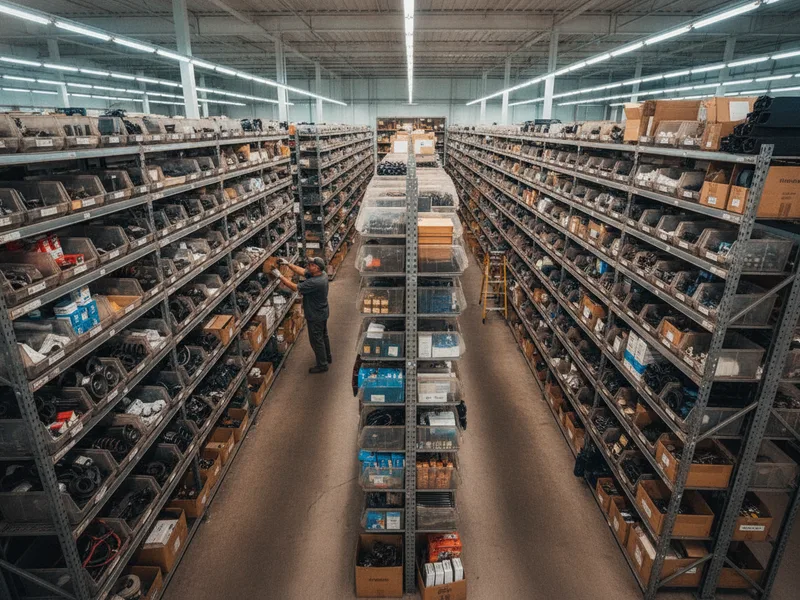
Quality, Fit, and Paint Matching: Where OEM Parts Shine
Panels that don’t sit flush. Gaps that look slightly off on one side of the hood. These are the small tells a technician spots on a repair job that used the wrong parts. After years of collision work in Queens, NY, USA, our team has learned to notice these details immediately, even when a car owner might not.
Fit is where the OEM vs. aftermarket parts conversation gets real. OEM components are stamped from the same tooling and blueprints the automaker used on the original assembly line. That means panel gaps, mounting points, and structural attachment areas line up the way the manufacturer designed them to. Aftermarket parts are reverse-engineered, and even a small deviation in curvature or thickness can throw off alignment on doors, hoods, or fenders.
Paint matching is another area where the difference shows. As a PPG authorized paint center, we work to restore vehicles to factory specifications, and that job gets easier when the underlying panel has the same metal composition and surface texture as the original. Aftermarket steel or plastic can absorb and reflect primer and base coat differently, which sometimes leads to a finish that reads slightly off under certain light, even after careful color matching.
Durability matters too, though it’s a nuanced point. Some aftermarket parts hold up fine over years of ordinary driving. In our experience, though, the inconsistency is the real issue. One aftermarket bumper cover might perform well, while another from a different supplier warps or fades faster than expected. OEM parts remove that guesswork because they’re built to a single, consistent standard.
There’s also the matter of how a part interacts with your vehicle’s other systems. Modern bumpers, fenders, and quarter panels often house sensors for parking assist, lane departure warnings, or airbag deployment triggers. A part that’s a few millimeters off in mounting position can affect how those systems function. If your vehicle has driver assistance features, it’s worth asking your repair shop how they verify calibration after parts installation, and confirming with a qualified technician that everything is functioning as intended before you leave the lot.
Safety, Insurance, and Resale Value Implications
Structural parts do more than fill a gap in your bumper. They’re engineered to crumple, absorb, or redirect impact energy in specific ways during a future collision. When an aftermarket part doesn’t match the metal composition or reinforcement pattern of the original, it can behave unpredictably in a crash. That’s not scare talk. It’s physics, and it’s the reason airbag brackets, frame rails, and bumper reinforcements deserve extra scrutiny during any repair.
Insurance gets complicated here. Many policies allow aftermarket parts by default to keep repair costs down, but most insurers will honor an OEM parts request, sometimes for an added cost to the policyholder. You have the right to ask your adjuster directly what your policy covers and what upgrading to OEM would involve. Get that answer in writing before repairs begin.
Resale value is the piece people forget about. A car with a clean vehicle history report and OEM replacement parts documented tends to hold buyer confidence better than one repaired with unknown third-party parts. Some buyers and dealers ask directly. A used car inspection can also reveal panel gaps or mismatched paint that lower a car’s perceived value, even if the repair function is fine.
Our take, after years in this business: cheaper isn’t always cheaper. A lower repair bill today can turn into a lower trade-in offer later, or a harder conversation with your insurer if a second accident happens.
None of this replaces a conversation with your own insurance agent or a legal professional if you’re unsure about your coverage rights. Policies vary, and so does state regulation, so confirm specifics before you sign off on any repair plan.
Shops that have handled this balance for decades tend to know how to advocate for their customers with adjusters. You can review ANA Auto Repair’s I-CAR certification and history to see how long-term credentials shape the way a shop in Queens, NY, USA approaches these conversations.
Cost Comparison: What You Actually Pay for Quality
Two estimates land on the same desk. One quotes an aftermarket fender at a lower price. The other lists an OEM fender that costs more. That gap is the first thing most Queens, NY, USA drivers notice, and it’s the reason so many comparisons stop right there.
Sticker price only tells part of the story. Aftermarket bumper covers, headlight assemblies, and fenders can run noticeably less than OEM equivalents, which is why insurers often push for them on cost-conscious claims. But a lower estimate today doesn’t account for what happens if that part fits poorly, corrodes faster, or doesn’t hold paint the way it should over time.
Warranty coverage is where the math shifts. OEM parts typically carry a manufacturer-backed warranty tied to the automaker. Aftermarket parts warranties vary by supplier, and some offer limited coverage on paint or corrosion issues. If a panel needs to come off again in a couple of years because of rust bubbling under a mismatched aftermarket part, that “savings” disappears fast.
In our experience, drivers who plan to keep a vehicle for the long haul tend to come out ahead choosing OEM, even at a higher upfront cost. Drivers leasing a car or planning to sell soon sometimes have a reasonable case for aftermarket on non-structural, cosmetic pieces. Neither choice is universally wrong; it depends on how long you intend to keep the car and how it was damaged.
Ask for an itemized, written estimate that breaks down part type by line item. That transparency lets Queens, NY, USA customers compare quotes on equal footing rather than guessing why one number is lower than another, and it’s a habit worth confirming with any shop before work begins.
Three Questions to Ask Your Collision Repair Shop
Walk into any estimate appointment armed with three questions. Ask them out loud. Watch how the shop answers, because the answer matters less than how straight they give it to you.
1. Will You Use OEM or Aftermarket Parts?
Get specific here. A shop should tell you which parts on your repair are OEM and which are aftermarket, and why. If they dodge the question or give a vague answer, that’s a red flag. In our experience, shops confident in their work will walk you through the OEM vs. aftermarket parts breakdown without hesitation.
2. What Warranty Comes With Your Work and the Parts?
Ask about labor coverage separately from parts coverage. These aren’t always the same length or terms. A shop with no warranty offer at all is worth thinking twice about.
3. Can You Provide a Written Estimate Breakdown by Part Type?
You want line items, not a lump sum. A written estimate showing OEM versus aftermarket parts, labor, and paint work separately lets you compare shops fairly. Verbal promises don’t hold up later.
Short version: ask, get it in writing, and don’t settle for a shop that won’t put its answers on paper. Queens, NY, USA drivers who take a few extra minutes on these questions tend to feel a lot better about their repair down the road. Our team at ANA Auto Repair walks through these details with every customer who visits our South Ozone Park location, no appointment required for a same day estimate.
Certified I-CAR Shops and Your Peace of Mind
Ask a technician what separates a good repair from a rushed one, and most will point to the same thing: training. Shops that skip certification often skip steps too, and it shows up months later in a panel that doesn’t sit right or a paint job that fades unevenly.
I-CAR certification means a shop’s technicians have been trained on current repair procedures, including how to work with the materials and structures found in modern vehicles. ANA Auto Repair holds I-CAR certification, including certification as an aluminum welding center, and operates as a PPG authorized paint center for precision color matching. As a Geico Xpress repair shop and part of the Allstate good hands network, we’re also familiar with how insurers evaluate parts decisions and repair quality.
None of that guarantees a specific outcome on any given repair. It does mean the work follows documented standards rather than shortcuts, and that OEM parts get used where fit and safety performance call for them. For anyone weighing OEM vs. aftermarket parts on an upcoming repair, our South ozone park location and service details page has directions and information for drivers across Queens, NY, USA. Stop by for a same day estimate, or call ahead if you’d rather talk through your options first.
Frequently Asked Questions
Can my insurance company force me to use aftermarket parts?
No, your insurance company can’t force you to use aftermarket parts on your vehicle. You have the right to pick your own repair shop in Queens, NY and ask for OEM parts on your estimate. A lot of policies actually allow OEM parts already, so it’s worth pulling out your policy documents or asking your adjuster directly. ANA Auto Repair works with Geico Xpress and Allstate good hands repair networks, and we can walk you through what your specific coverage allows before any work starts.
Are aftermarket parts ever appropriate for collision repair?
Yes, in certain situations aftermarket parts make sense. Trim pieces, some interior components, and non-load-bearing parts are often fine to replace with aftermarket versions if you’re trying to keep costs down. Structural parts, safety components like airbags or frame pieces, and visible body panels are a different story though. Those should almost always be OEM or a certified equivalent, since fit and crash performance matter a lot more there. A qualified repair technician can look at your specific damage and tell you where aftermarket makes sense and where it doesn’t.
How long do OEM parts last compared to aftermarket?
OEM parts are built to match your original components, so they typically hold up for the life of the vehicle under normal use. Aftermarket parts are a mixed bag. Quality varies a ton between manufacturers, and some cheaper options wear out or fail within a few years. Warranties tell a lot of the story too. Shops like ANA Auto Repair that install OEM parts usually back them with longer, more complete warranty coverage than what you’d get with a budget aftermarket swap.
What’s the difference between a written estimate and a verbal one?
A written estimate spells out labor costs, parts, and a repair timeline in detail, and it functions like a contract you can reference later. A verbal estimate is just a conversation, and the numbers can shift once the shop actually opens up the vehicle. At ANA Auto Repair, we give customers in Queens, NY a detailed written estimate the same day, so you can see exactly what’s being charged and whether OEM or aftermarket parts are part of the plan before you agree to anything.
Get a Written Collision Repair Estimate You Can Actually Understand
A dented panel or a cracked bumper never comes with a clear price tag attached, which is why our team writes out exactly which parts we’re using before any work starts. If you’re in South Ozone Park or anywhere else in Queens, NY, USA, stop by for a same-day damage assessment and talk through your options with an I-CAR certified technician.
Visit our collision repair services page to see what’s involved, or come by the shop so we can look at your vehicle in person. Curious what other drivers in the area have experienced? You can check out our reviews on Google before you decide.