


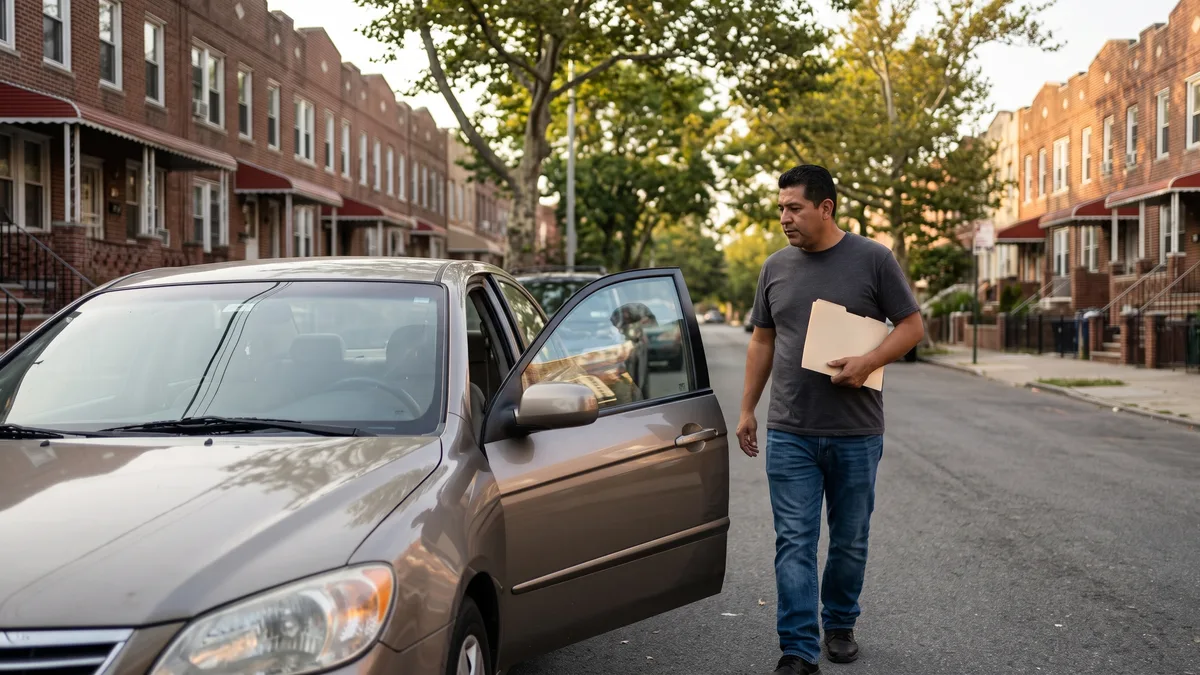
How to Verify I-CAR Certified Auto Body Credentials in Queens, NY Before You Hand Over Your Keys
Can You Verify a Shop’s I-CAR Certification in Queens?
Yes. Before work begins, you can confirm a shop’s I-CAR status by checking the official I-CAR directory, asking the shop for current documentation, and making sure the credential covers the technicians who will actually work on your vehicle. Drivers across Queens, NY can do all three in a single afternoon.
I-CAR is a training organization, so the credential belongs to people as well as the business. A shop may list a certification while the technician assigned to your car holds none. That’s why the question has two parts: the shop and the hands doing the repair.
Picture a driver in Queens who drops off a car after a fender bender and later learns the badge on the wall belonged to a different crew. A few questions at the counter would have settled it.
At ANA Auto Repair, we’re an I-CAR certified auto body shop and aluminum welding center in South Ozone Park. We’ve been in business since 1994, and you’re welcome to stop by and ask to see our documentation. You can also review the collision and auto body services our certified team handles.
The next section walks through the steps, one at a time.
Five Steps to Confirm a Shop’s I-CAR Status Online and in Person
Set aside ten minutes and a phone. Here’s the sequence we’d follow if we were checking a shop in Queens ourselves.
- Search the shop’s name in the I-CAR directory. Use the shop locator on the official I-CAR website, not a third-party listing site. A badge on a shop’s own website or invoice is a claim, not proof.
- Match the business name and address exactly. Shops can operate under similar names, and a sister location or a former owner’s listing can carry a credential the shop in front of you doesn’t hold. Compare the street address and suite against the building you’d actually pull into. A listing for a different address is a different shop.
- Check that the training status is current. Look at what the listing says the shop holds and whether it’s up to date. Training status is maintained over time, so a lapsed or older listing tells you something different than an active one.
- Ask which technicians hold individual training. A shop-level listing doesn’t tell you who will touch your car. Ask whether the person doing structural, welding, or refinish work holds training in that area. Aluminum panels, for instance, call for specific welding training, because those repairs shouldn’t be improvised.
- Recheck on drop-off day. Pull the listing up again before you hand over the keys. It takes two minutes and confirms nothing changed since your first look.
If the Listing Is Missing or Outdated
Don’t assume the worst. Ask the shop directly and request the current documentation in writing.
A reasonable shop will explain a gap, such as a recent renewal or a name change, and show you proof. If the answer is vague, or the shop gets defensive about a simple question, take that as information. You’re entitled to move on and get a written quote from another shop.
Our view: the in-person step matters as much as the online one. A directory confirms a name and a status, but standing in the shop lets you see the work bays, ask your questions face to face, and judge whether the answers are specific. We’re in South Ozone Park, and drivers from Ozone Park, Howard Beach, Richmond Hill, and Jamaica are welcome to stop by, look at our credentials, and ask the same five questions of us.
What to Request in Writing and Which Questions Protect You
A verbal “yes, we’re certified” is easy to say and hard to check later. At our shop, we’ve found that the drivers who leave with the fewest surprises are the ones who got the details on paper before the car came off their hands.
Start with the documents. Ask for a copy of the shop’s current I-CAR certification or training records, and ask which technicians will be assigned to your vehicle along with their individual certifications. A shop can hold a credential while the person holding the welder or the refinishing gun has none, so the names matter. Ask for the estimate in writing too, with the parts type and warranty terms listed on it. We’ve watched written estimates settle more disagreements than any conversation at the counter.
Questions to ask before you commit
- Who will perform the structural, aluminum, and paint work on my car, and what training do they hold?
- Is the shop’s certification current, and can I see the date?
- Will the repair use OEM or aftermarket parts, and will that be noted on the estimate?
- What warranty applies to the repair, and is it in writing?
- How long is the repair expected to take, and what could change that?
Compare answers across two or three written quotes. A surprisingly low bid, a refusal to put anything in writing, or no warranty at all are reasons to think twice.
A network listing is not a credential check
Insurance programs such as GEICO or Allstate are separate from I-CAR status. Being listed in a network tells you the shop meets that insurer’s program requirements. It doesn’t tell you whether the technician on your car holds current training. Also keep in mind that you’re free to choose your own repair shop, wherever your insurer points you. Run the same checks either way, and read the reviews from past customers while you’re at it.
Queens drivers who’d rather ask face to face are welcome to stop by our South Ozone Park shop location. Bring your questions and we’ll walk through them with you.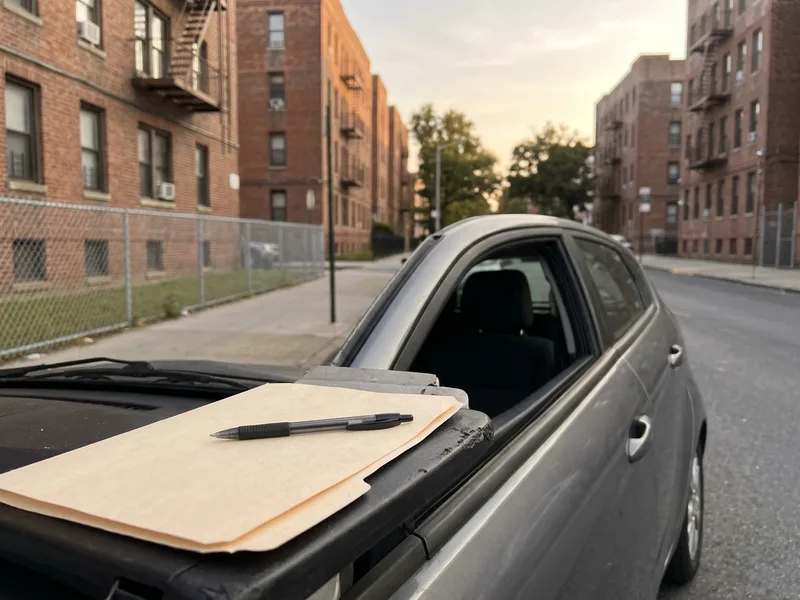
Common Mistakes Queens Drivers Make When Checking Credentials
Four errors cause most of the trouble when a credential check goes wrong. Each one has a simple fix you can apply before your keys leave your hand.
Mistake 1: Trusting the Wall Instead of the Directory
A framed certificate or a logo on a website proves only that someone printed it. The fix: look up the shop by name in the official I-CAR directory, then compare what you find with what’s displayed.
Mistake 2: Assuming Shop-Level Status Covers Every Technician
Training is earned by individuals. A shop can be recognized while the person assigned to your frame or aluminum panel holds different training. The fix: ask which technicians will work on your vehicle and what training applies to that job.
Mistake 3: Accepting a Verbal Promise
“We’re certified, we’ll take care of you” is pleasant to hear and impossible to check later. The fix: get the estimate in writing, with the parts type (OEM or aftermarket), the warranty, and the expected repair time listed.
Mistake 4: Never Confirming the Credential Is Current
Training status can lapse. A certificate from years back says little about today. The fix: check the directory listing for current standing and ask the shop for documentation with dates.
We think a shop that welcomes these checks is showing you something useful. If a counter conversation turns defensive when you ask for the technician’s training or the directory listing, that tells you plenty. With plenty of options in Queens, take the time to compare each shop’s paperwork against the directory before you commit.
Stop by, ask your questions, and see how they’re answered.
When to Involve an Insurer or a Professional Inspector
A directory lookup and a list of questions can be done at your kitchen table, and neither one puts your vehicle at risk. The trouble starts when the conversation moves from credentials to damage.
Disputes over structural damage, frame measurements, or a shop your insurer recommends call for more than a phone check. If two estimates disagree about whether a unibody was pulled out of spec, ask each shop for the written measurement readouts and the repair procedure they plan to follow. An independent inspector can compare those documents against your vehicle. Your insurance company can also explain how it handles a supplement or a second opinion, so call the adjuster before work starts.
Drivers in Queens are free to choose their own repair shop, even when an insurer points toward a preferred one. Our South Ozone Park shop is open to your questions, so you can see the shop and meet the people who would work on your car before you decide.
Before drop-off, photograph any pre-existing dents, scratches, and chips from several angles. Then clear out valuables, including anything in the trunk and glove box.
Keep a folder with your directory results, written estimates, photos, and every email. Bring any unanswered question to the shop before work begins, or reach out through our contact page. For disputes involving your policy or your legal rights, confirm the details with a qualified professional.
Frequently Asked Questions
Can my insurance company require me to use a specific body shop?
Drivers in Queens are generally free to choose their own repair shop, even when an insurer recommends one. Ask the insurer to confirm your options in writing, then compare each shop’s credentials and written estimate.
What is the difference between OEM and aftermarket parts?
OEM parts are made by the vehicle’s original manufacturer, while aftermarket parts come from other companies. Ask the shop which type it plans to use, whether that choice affects the repair warranty, and how fit and finish get checked.
How long does an auto body repair usually take in Queens?
Auto body repair time depends on how severe the damage is, whether parts are available, and whether structural or paint work is needed. Ask for a written timeline with your estimate, and ask the shop to update you if parts get delayed.
What warranty should an auto body shop offer on its work?
A body shop should be able to tell you whether it offers a written warranty on workmanship, what it generally covers, and how long it lasts. A shop that won’t describe its warranty in writing is a reason to reconsider.
Ask Us How We Document I-CAR Training Before a Repair Begins
If you still have questions about how collision and auto body credentials get documented, we’d like to walk you through it in person. Stop by our South Ozone Park shop and we’ll show you our credentials and explain how our written estimate process works for drivers across Queens.
Want to look first? Review our collision and auto body repair services handled by our certified team, then check out our reviews on Google to see what our customers are saying.