


Frame Repair and Alignment Services for Richmond Hill, Queens: Why Your Certified Collision Repair Center Matters
What Is Frame Damage and Why It Demands Specialist Attention
Frame damage happens when a collision bends, twists, or cracks a vehicle’s structural skeleton rather than just denting its outer panels, and it needs evaluation from a certified collision repair center because a misaligned frame affects handling, airbag timing, and how well the car protects occupants in a future impact. ANA Auto Repair has diagnosed and corrected this kind of damage for Richmond Hill, Queens, NY, USA drivers since 1994.
Frame damage isn’t always obvious. A car might still drive in a straight line after a fender bender, and in our experience, that alone tells you very little; road feel isn’t a reliable way to rule out structural damage. Bent frames pull tires unevenly, strain suspension mounts, and can hide cracks that only show up under load. Because these issues affect safety systems, confirming any diagnosis with a qualified technician is a sensible step before putting more miles on the vehicle.
Richmond Hill drivers typically encounter two structural types: traditional body-on-frame vehicles and unibody construction found in most modern sedans and crossovers. Each responds differently to impact and calls for different repair methods, which is why specialist attention, not a quick cosmetic fix, matters. Anyone weighing repair options can review ANA Auto Repair’s full collision and auto body services to understand what a proper structural assessment involves before committing to a shop.
How Frame Alignment Technology Restores Your Vehicle’s Structural Integrity
Precision matters here.
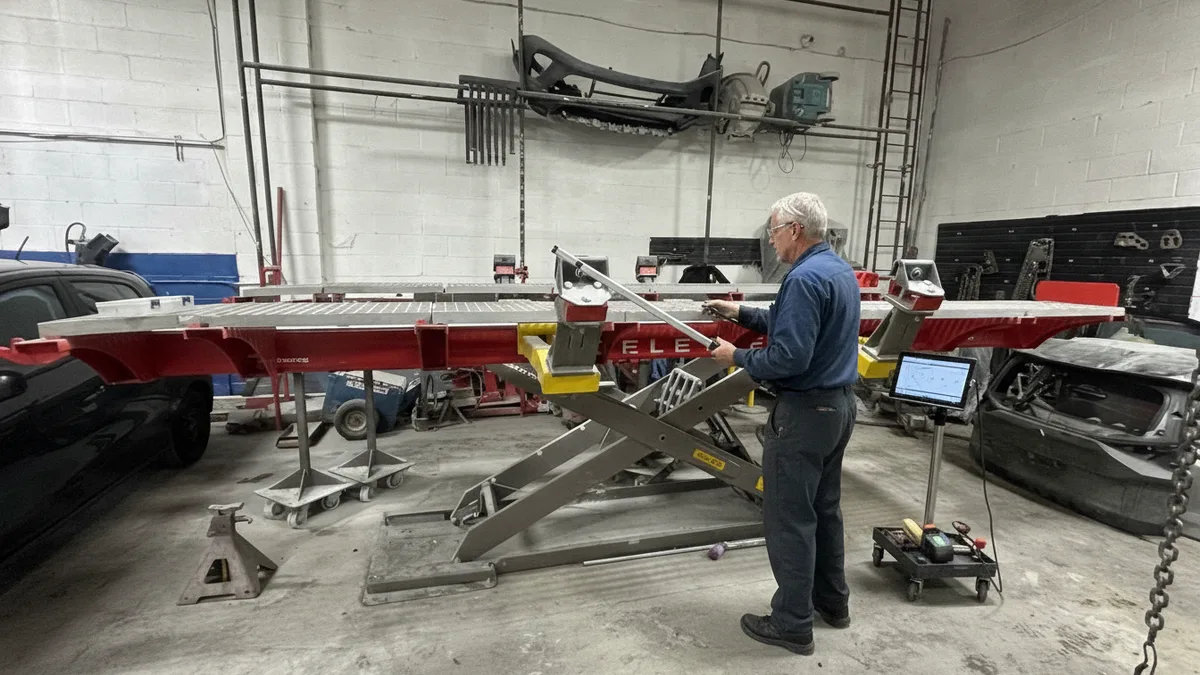
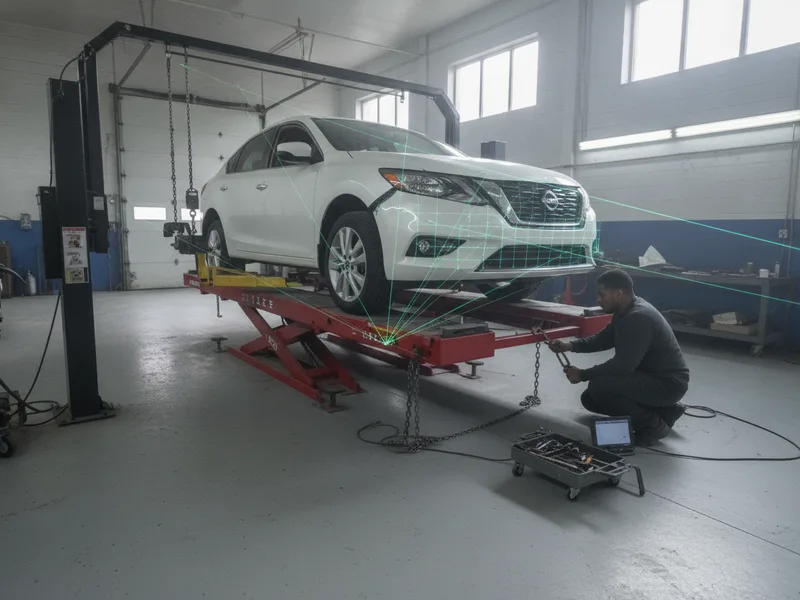
Modern frame alignment work relies on computerized measuring systems that compare your vehicle’s current dimensions against the factory specifications set by the manufacturer. These systems use laser or sonic measuring points anchored to a frame rack, a heavy-duty piece of equipment that holds the vehicle in place while hydraulic pulls straighten bent sections millimeter by millimeter. A technician doesn’t guess at how far to pull a rail or a pillar. The computer readout shows exactly how far off each measurement point is from spec, and the pull continues until the numbers match what the manufacturer built into the car.
Some shops rely on a quick visual check to confirm a frame looks straight again. In our experience, that approach misses too much. A frame can appear visually aligned while remaining off by an amount that only shows up on a measuring system, and that small discrepancy is often enough to throw off suspension geometry or door fit down the road. That’s part of why a certified collision repair center invests in this equipment rather than relying on eyeballing the work.
I-CAR certified technicians go through training specific to reading these measurements correctly and understanding how different vehicle platforms respond to correction. Aluminum-intensive frames, for example, behave differently under stress than traditional steel frames, and pulling them incorrectly can weaken the metal instead of restoring it. That’s a distinction that matters more with every passing model year as automakers mix materials to save weight.
Skipping proper alignment doesn’t just leave a cosmetic issue. It can lead to uneven tire wear, steering pull, and stress on mounting points that were never designed to carry misdirected load. Over time, those small stresses compound into bigger mechanical problems. The National Highway Traffic Safety Administration outlines general vehicle safety standards that underscore why structural repairs need to meet, not approximate, factory tolerances (nhtsa.gov).
While our shop is based in Queens, NY, we regularly handle frame alignment work for drivers coming from Richmond Hill, Queens, NY, USA, and the surrounding area. Distance from our location doesn’t change the equipment or the process. Customers from Richmond Hill get the same measuring standards and the same certified technicians working on their vehicle as anyone dropping off closer to our shop. If you have questions about your specific vehicle’s structural repair, a qualified technician can walk you through what the measurements show before any pulling begins.
Frame vs. Unibody Repair: What Type of Damage Does Your Vehicle Have?
Pop the hood on two different cars in a parking lot and you’ll often find two completely different structural philosophies underneath. That distinction matters more than most drivers realize when it comes to how a shop actually approaches the repair.
Older trucks, larger SUVs, and some body-on-frame vehicles still use a design where the body sits on top of a separate steel frame, like a chassis with a shell bolted onto it. Most modern passenger cars and crossovers, on the other hand, use unibody construction, where the frame and body are welded into a single connected structure. Damage to one section of a unibody can transfer stress to areas far from the point of impact, which is why a proper assessment looks at the whole structure, not just the obvious dent.
Aluminum frame structures add another layer of complexity. Aluminum behaves differently than steel under stress and requires different welding techniques, different tools, and different handling to avoid weakening the metal further. A shop working on an aluminum-framed vehicle without the right training can end up doing more harm than good, even when the repair looks fine on the surface.
Here’s a bit of a departure from common advice: many guides suggest that any body shop can “true up” a frame with enough time and the right jack. In our experience, that’s rarely the case with today’s vehicles. The repair method has to match the construction type, and guessing wrong can leave hidden weaknesses that don’t show up until months later.
Richmond Hill, Queens, NY, USA drivers bring in a real mix of vehicles, from older body-on-frame trucks to newer unibody sedans and aluminum-intensive models. Understanding which category a vehicle falls into is part of what separates a straightforward repair estimate from one that requires closer inspection. Reviewing a shop’s company background and certification details can help drivers get a sense of whether a certified collision repair center has the training to handle their specific vehicle type before work begins. For structural concerns beyond routine dent repair, it’s reasonable to ask direct questions about which construction methods a technician has trained on.
The Hidden Dangers of Ignoring or Inadequately Repaired Frame Damage
A rushed frame repair can look fine in the driveway and still cause problems for years. That’s the part a lot of drivers don’t see coming.
When a frame is bent even slightly out of spec, the suspension and steering components mounted to it get pulled out of their intended geometry. That shows up as uneven tire wear, a car that pulls to one side, or a steering wheel that sits crooked even when you’re driving straight. Left alone, those issues wear down tires and suspension parts faster than normal, adding cost down the road.
There’s a bigger issue too. A frame that’s been pulled back into rough alignment but not verified against factory measurements may not absorb impact the way it was engineered to in a future collision. That’s a safety question, not a cosmetic one, and it’s worth confirming with a qualified technician rather than guessing based on how a car drives.
In our experience, plenty of vehicles come through with prior frame work that “passed” a visual check but never got measured against OEM specs. A shop can straighten metal and still miss the mark on precision. That’s a gap we watch for closely at ANA Auto Repair, where our approach as a certified collision repair center centers on verified measurements, not eyeballing.
Resale value takes a hit too. A vehicle with a frame history and no documentation of proper repair is a harder sell, and buyers who check that history often walk away. Drivers across Richmond Hill, Queens, NY, USA deserve documentation that holds up, whether they’re keeping the car or selling it later.
Why I-CAR Certification and Advanced Welding Matter in Frame Repair
Two technicians can stand in front of the same measuring rack and get different results. That’s the part most drivers never see. Frame work depends heavily on who’s running the equipment, not just what equipment sits in the bay.
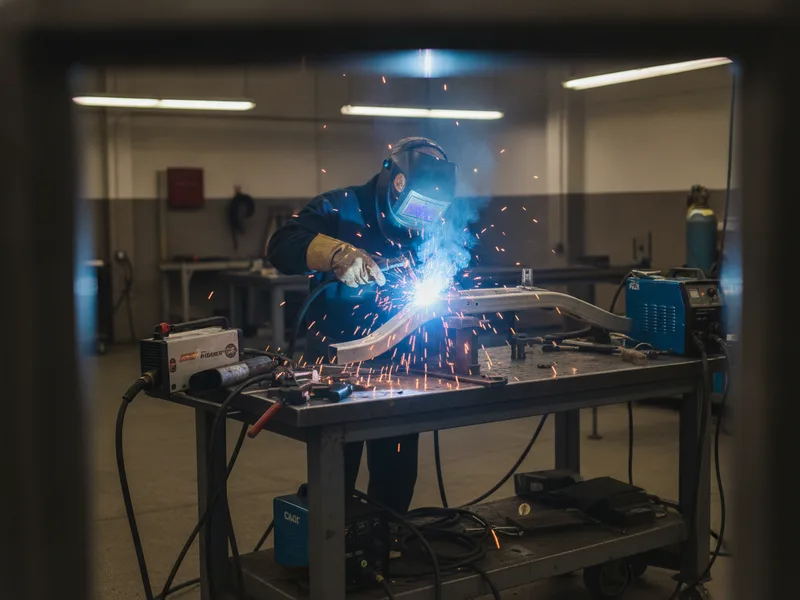
I-CAR certification means a technician has completed structured training on how modern vehicles are built and how they need to be repaired to match those original engineering specs. The training covers welding techniques, material identification, and the specific procedures manufacturers require for structural repairs. Aluminum has become common in frame and body construction, and it behaves differently under heat and stress than steel. Welding it incorrectly can weaken a repair in ways that aren’t visible from the outside. That’s why aluminum welding certification is a separate credential, and shops that skip it are working outside their training when aluminum components show up on the lift.
Many guides tell drivers to simply look for a certification logo on the wall and move on. In our experience, that’s only half the picture. What matters more is whether the shop keeps its technicians current as standards change and whether the equipment on the floor matches what those certifications actually require. ANA Auto Repair maintains I-CAR certification for both general collision repair and aluminum welding, and works as a PPG authorized paint center, which ties the structural work to a finish that matches factory standards.
Drivers in Richmond Hill, Queens, NY, USA get access to the same certified collision repair center standards used across Queens, even though ANA Auto Repair is based in South Ozone Park rather than Richmond Hill itself. Distance between neighborhoods hasn’t stopped the shop from serving drivers throughout the area with the same level of documented training and equipment. For details on scope of work or timelines specific to a vehicle, it’s worth confirming directly with the shop. Anyone weighing a frame repair can request a same-day estimate through the contact and scheduling page. For more on collision repair training standards, I-CAR’s own site (i-car.com) outlines what certification programs actually cover.
What to Expect During a Frame Repair Assessment and Timeline
Frame work follows a sequence. Skip a step, and the whole repair suffers for it.
The process starts with a visual inspection, but it doesn’t stop there. A technician places your vehicle on a computerized measuring system to compare its current dimensions against factory specifications. This is where hidden damage shows up, the kind that’s invisible to the eye but throws off how a car handles or wears its tires. From that data, we build a written estimate that outlines what needs straightening, what needs replacing, and why. Customers in Richmond Hill, Queens, NY, USA get the same measuring process and the same documentation as any other vehicle we see, whether the drop-off comes from South Ozone Park or across the borough. Once the estimate is approved, the actual frame correction begins. This step involves pulling the structure back into alignment using calibrated equipment, then rechecking measurements throughout the process rather than just at the end. Here’s an opinion we’ll stand behind: shops that rush this stage to hit a faster turnaround are cutting corners that matter. Frame correction isn’t something you can compress just to close out a repair order sooner. Each pull needs verification before the next one happens, and that takes the time it takes. After alignment, we handle bodywork, paint matching through our PPG authorized process, and reassembly. A final inspection confirms the frame holds to spec before the vehicle goes back to its owner. We’re based in Queens, NY, and we regularly work with drivers throughout Richmond Hill, Queens, NY, USA on frame repairs of varying complexity. Distance isn’t a barrier to getting the same certified collision repair center process every vehicle receives, and we’re glad to walk any customer through where their repair stands at each stage.
Frame Repair and Your Insurance Claim: What You Need to Know
Adjusters look for specific documentation on frame damage claims, not just a general damage description. Measuring printouts, before-and-after photos, and itemized repair procedures all factor into how a claim gets processed and approved.
Many Richmond Hill drivers assume their insurance company dictates where the vehicle gets repaired. That’s not accurate. Car owners generally have the right to choose their own repair shop regardless of which facility an insurer initially suggests. In our experience, customers who understand this upfront avoid a lot of unnecessary back-and-forth during the claims process.
A written estimate matters here. Before authorizing any frame work, ask for documentation covering the scope of repair, the type of parts being used, and the warranty terms. A shop that hesitates to put any of that in writing is worth reconsidering.
ANA Auto Repair works directly with insurance providers to document frame damage accurately and support the approval process from assessment through completion. Details on our insurance partnerships and certifications are available for customers who want to understand how that coordination works before dropping off a vehicle.
While our facility is based in Queens, NY, we regularly serve customers throughout Richmond Hill, Queens, NY, USA, and the surrounding communities. Distance from our shop doesn’t change the standard of documentation or repair quality a vehicle receives. For specific coverage questions, checking directly with your insurance provider is always a sound step.
Frequently Asked Questions
How long does frame repair and alignment typically take?
Frame repair timelines really depend on how bad the damage is. If your car just needs some alignment work, you might get it back in a day or two. But if there’s welding involved or the frame took a serious hit, plan on one to two weeks. ANA Auto Repair gives you a same-day estimate so you know what timeline to expect before any work starts, not after.
Will my insurance cover frame repair costs?
Frame and structural damage is usually covered under your collision insurance policy, though coverage details vary by policy and provider. ANA Auto Repair is an insurance-approved repair center, certified by Geico and part of the Allstate network, so the shop can deal with your claim directly. That takes a lot of the back-and-forth off your plate. Drivers in Richmond Hill, Queens, NY, still ought to confirm specifics with their own insurance agent since every policy reads a little differently.
What’s the difference between a frame repair and a frame replacement?
Frame repair means using specialized welding and alignment equipment to pull a bent frame back to the manufacturer’s original specs. It’s the more common fix. Frame replacement is a bigger job reserved for cases where the structural damage is too severe to safely straighten out. Most collision damage that comes through the shop gets repaired rather than replaced.
How do I know if my vehicle’s frame was damaged in an accident?
A few warning signs point to frame damage: doors that don’t shut right, tires wearing unevenly, a steering wheel that pulls to one side, or vibrations that weren’t there before the accident. That said, plenty of frame damage doesn’t show any obvious symptoms at all. That’s why a full damage assessment matters. ANA Auto Repair checks for hidden structural issues as part of every collision evaluation for customers in Richmond Hill, Queens, NY, since some safety-related damage just isn’t visible from the outside.
Can frame-damaged vehicles be financed or sold later?
A vehicle that’s had its frame properly restored to factory specifications generally holds its resale value and financing eligibility just fine. The problem comes up when frame damage goes unreported or gets fixed with shortcuts. That kind of work can trigger disclosure requirements down the road and make buyers or lenders nervous. Getting the repair done right the first time, and keeping documentation of it, protects you later whether you’re selling the car or financing it again.
Get Your Frame Checked Out
A car that looks fine after a collision can still have a bent or twisted frame underneath, and that’s not something to figure out by guesswork. ANA Auto Repair offers I-CAR certified frame damage assessments and a written estimate, so Richmond Hill, Queens, NY, USA drivers know exactly what they’re dealing with before any repair work starts. A qualified technician can spot issues that aren’t visible from the outside, which is why an in-person look matters more than a quick glance in the driveway.
Stop by our South Ozone Park shop or fill out our online form to set up a same-day estimate. Curious what other drivers in the area have to say? Take a look at our reviews on Google. For a full rundown of our collision repair and auto body work, visit our collision repair and auto body services page.