


Fender Damage in Richmond Hill, NY: When to Repair or Replace at a Body Shop
Should a Damaged Fender Be Repaired or Replaced?
Most fenders with dents, creases, or scrapes that haven’t torn, split, or lost their mounting points can be repaired. Replacement makes sense when the panel is cracked, badly bent, or too costly to straighten. ANA Auto Repair handles fender repairs for Richmond Hill, NY drivers, and each vehicle gets a written estimate.
We’re based in South Ozone Park, Queens, and we serve Richmond Hill drivers from there. Your car gets the same quality of work you’d get from any customer in our home neighborhood, and we’re glad to travel to make the process easier.
We’ve been in business since 1994, and our team is I-CAR certified.
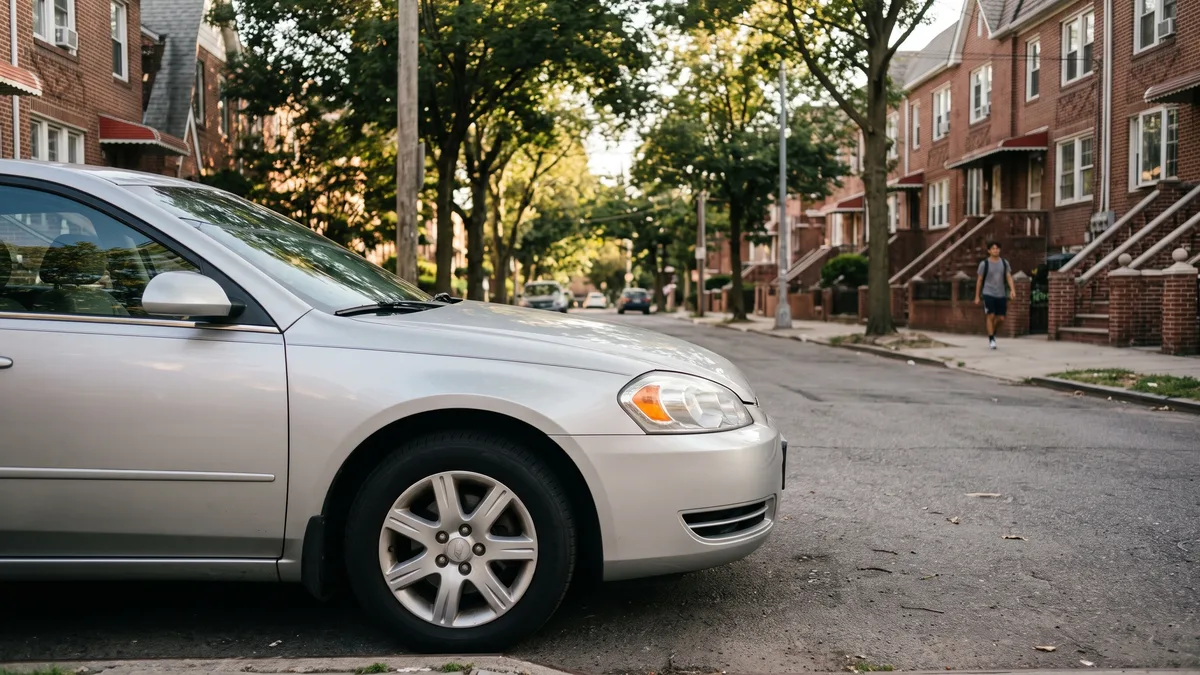
Picture a Richmond Hill driver whose fender took a hit in a tight parking spot. The paint is scuffed and the panel has a shallow dent, but nothing is torn. That’s often a repair candidate, though only an in-person look confirms it. Our collision and fender repair services start with that assessment.
Which Fender Damage Can Be Repaired and Which Needs New Parts?
A technician at a body shop looks at several things before recommending a path. Here’s what we weigh, and what you can spot yourself in a driveway in Richmond Hill.
Dent depth and size
Shallow, rounded dents with smooth edges are usually good candidates for repair. Deep dents that span much of the panel are harder to work, and the metal may not return to its original shape.
Creases and stretched metal
A sharp crease is a line where the metal has folded. Stretched metal is worse. It looks bulged or wavy, and no amount of pushing brings it back flat. If you run your hand along the fender and feel a ripple that won’t smooth out, flag it for the estimator.
Edges and mounting points
Fenders bolt to the body along their edges. Bent flanges, torn bolt holes, or uneven gaps next to the hood and door are signs the fender may no longer sit correctly. Damage here often pushes a job toward replacement.
Cracks and tears
Splits in the metal or cracked plastic are different from dents. Small cracks can sometimes be addressed, but a long tear or a shattered section generally means a new part.
Paint and neighboring panels
Cracked paint over a dent tells us the metal was stressed. We also check the hood, door, bumper, and headlight, since a fender hit can push into them. Repairing one panel while ignoring a shifted neighbor leaves the job half done.
Aluminum and high-strength steel
Not every fender behaves like mild steel. Aluminum can crack or lose its shape when worked, and high-strength steel resists reshaping and can spring back. For that reason, we test the metal before committing to a plan. As an I-CAR certified aluminum welding center, we handle aluminum panels with the right procedures rather than guessing.
Our view is simple: a shop should be able to tell you what the metal is and why it chose repair or replacement. If the answer is vague, ask again. A good body shop shows you the damage, explains the reasoning, and puts it in writing.
Drivers in Richmond Hill can bring a damaged fender to our South Ozone Park shop for a same day estimate, and the assessment gets the same attention it would get for any other customer.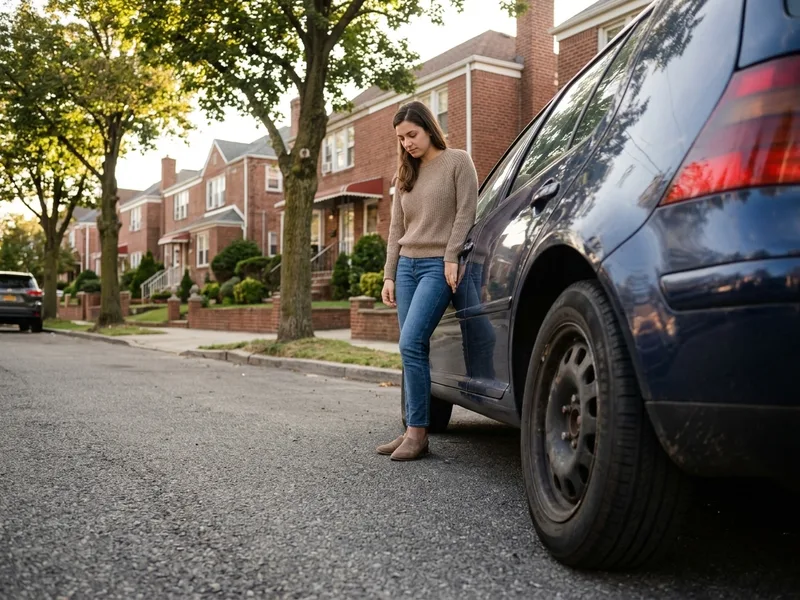
Repair vs. Replacement: What to Compare Before You Decide
Fenders on older daily drivers often show the same trouble: a dent that was fixed once, then a second hit in nearly the same spot. That history matters, because a panel with earlier filler or a previous repair behaves differently than an untouched one.
Start with the car and your plans for it
A newer vehicle you plan to keep or return at lease end usually calls for a closer look at original panels and factory finish. An older car you’ll drive for years may be fine with a straightforward repair. Tell the body shop which situation you’re in, since it shapes the recommendation.
What to ask about each path
For a repair, ask how the metal will be straightened, whether filler is needed, and how the repaired area will be refinished. For a replacement, ask which part is proposed (OEM or aftermarket), how it will be fitted to the neighboring panels, and what happens to the gaps along the hood and door.
Paint is the shared question. A new or repaired fender rarely matches the rest of the car straight out of the booth, so ask how the color will be matched and whether the adjoining panels will be blended. We’re a PPG authorized paint center, and we explain that step before work begins.
Timing differs too. Replacement can depend on part availability, while repair depends on how much straightening and refinishing the damage needs. Ask for an expected completion window, and what could change it.
Get it in writing
Collect two or three written quotes from Richmond Hill shops and compare the repair plan, not only the total. Check I-CAR or ASE credentials, read recent reviews, and ask about the warranty. A shop that won’t put its estimate in writing, or comes in surprisingly low, deserves a second look.
If you’d like a starting point, you can send photos through our contact page and ask your questions before scheduling.
Insurance, Parts Choice, and Your Right to Pick the Shop
You choose the shop. Your insurer may point you toward one, but that doesn’t take the decision out of your hands. Richmond Hill drivers can take a fender to any body shop they trust, and we work with Geico and Allstate programs as well as with drivers who simply want to choose for themselves.
Ask which parts the shop plans to use, OEM or aftermarket. On a fender, this shows up in fit and finish: the gap against the hood and door, how the body line flows into the bumper, and how paint lays across the panel. A part that sits a little off is hard to hide once it’s painted.
Get two or three written quotes, too. A written estimate lists the repair method, the parts, and the paint work, so you can compare like with like. A verbal number can’t be compared at all. A surprisingly low bid is usually worth a second look at what it leaves out.
Check reviews and I-CAR credentials before you commit. Ask about warranty and timeline in the same conversation.
A Checklist for Richmond Hill Drivers Before Committing to Repair
Fender jobs go sideways when the paperwork is thin. A quick pass through these steps before you approve anything keeps surprises off the final invoice.
- Photograph everything. Shoot the fender from several angles, plus any older dings, scratches, or prior repairs nearby, so existing damage is on record.
- Get the estimate in writing, with a repair timeline. A shop that won’t write it down is a reason to think twice.
- Ask about parts. Is the fender OEM or aftermarket, and if it’s repaired instead, what’s the plan for the panel?
- Ask about paint matching. Find out how the new finish will be blended into the neighboring panels.
- Confirm the warranty in writing, including what it covers and for how long.
Our shop is in Queens, and we serve Richmond Hill drivers with the same standards as anyone who pulls into our bay.
Send us photos of the damage and request a same-day written estimate. For questions about insurance or your coverage, confirm the details with a qualified professional.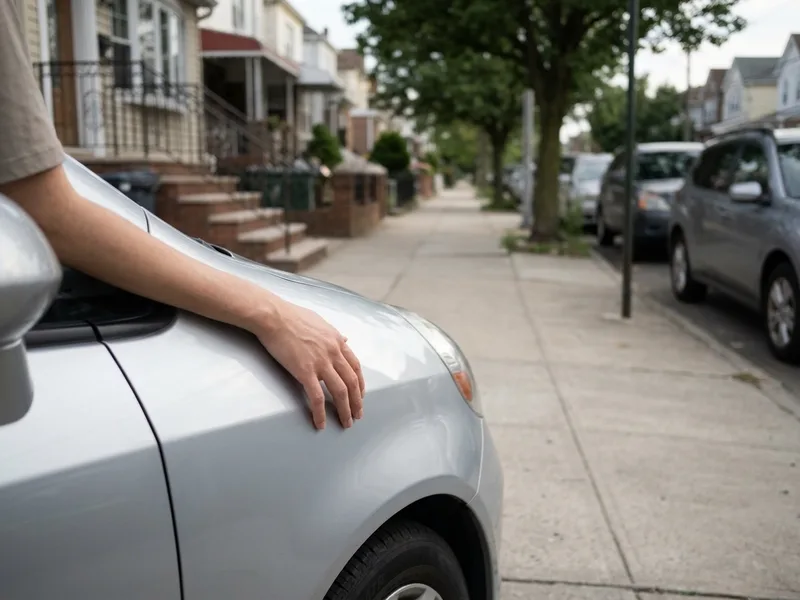
Frequently Asked Questions
How long does a fender repair usually take at a body shop?
A fender repair at our Richmond Hill body shop takes as long as the damage, the paint work, and any parts orders require. Ask us for a written timeline with your estimate.
Will a repaired or replaced fender match the paint on the rest of my car?
A repaired or replaced fender can match your car’s paint when the shop works from your paint code, accounts for weathering, and blends into neighboring panels. Ask us how we’ll match your finish and about our PPG authorized paint process.
Should I report minor fender damage to my insurance company?
Reporting minor fender damage depends on your policy, your deductible, and the repair estimate. Compare the expected repair cost with your deductible before deciding whether to file a claim. We offer insurance claim assistance if you have questions.
Is it safe to keep driving with a damaged fender?
Driving with a damaged fender can carry risks. Sharp edges, a loose panel, or damage near the headlight or wheel can create hazards or affect alignment. Have a professional look at it rather than judging by the surface.
Send Us Photos of Your Fender Damage
Dents, creases, and cracked paint don’t always tell you whether a fender can be repaired or needs replacing. Send us a few photos of the damage and we’ll put together a written estimate the same day, so you can see the options for your car in plain terms.
We’re based in Queens and work on fender repairs for Richmond Hill drivers right from our shop. You can review our collision and fender repair services and request a written estimate, or stop by and show us the car in person. If you’d like to hear from other drivers first, check out our reviews on Google.