


Collision Repair or Total Loss? How South Ozone Park, NY Drivers Decide If a Damaged Car Is Worth Fixing
Is Collision Repair Worth It, or Is the Car a Total Loss?
A damaged vehicle is worth repairing when the repair cost stays below the insurer’s total loss threshold and the structure, including the frame, can be restored to factory specifications. ANA Auto Repair evaluates collision repair for drivers in South Ozone Park, NY, and the rest of this post explains how the three deciding factors work together.
We’re based at our Queens shop and regularly serve South Ozone Park drivers from there, with the same quality of service every customer gets. We’ve been in business since 1994.
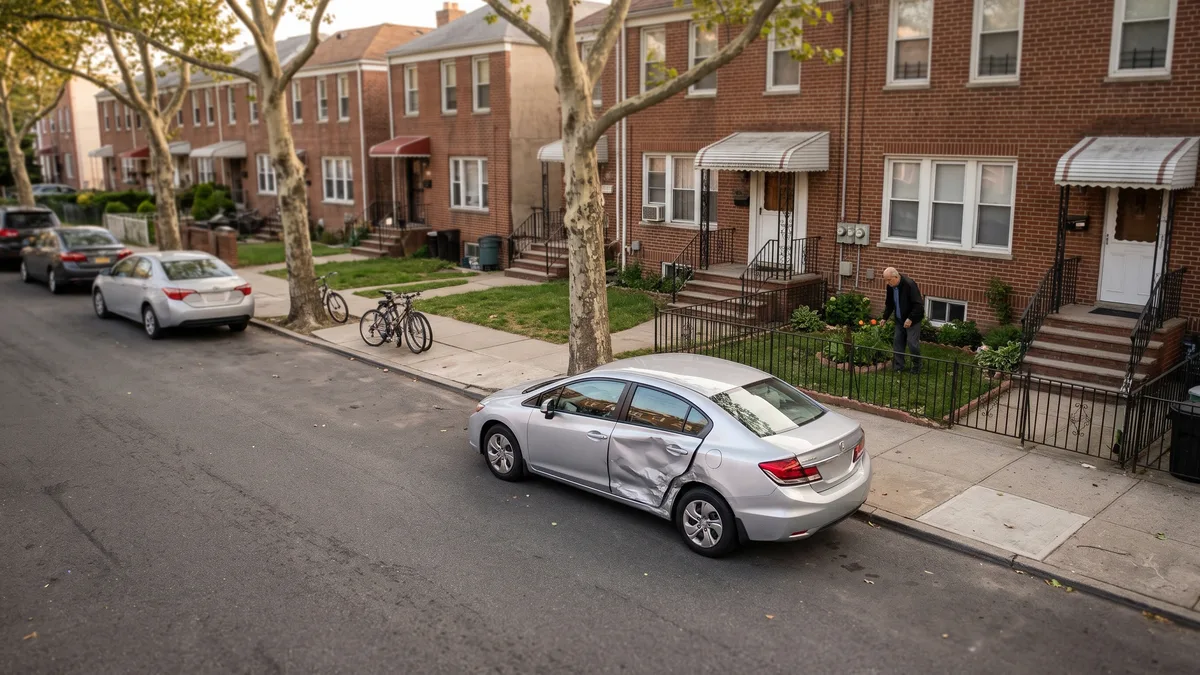
Picture a sedan with a crumpled fender and a door that no longer closes cleanly. Is it cosmetic, or is something underneath bent? A written assessment answers that, and you can request an estimate for South Ozone Park to start the comparison.
How Repair Cost, Vehicle Age, and Damage Extent Work Together
Three factors decide whether a damaged car gets repaired or written off. They work as a sequence, and each one changes how the next is read.
- Repair cost against pre-accident value. The estimate is measured against what the car was worth the moment before the collision. The closer the estimate gets to that value, the closer the car is to a total loss.
- Age and market value. A newer car with a high value can absorb a larger repair bill. An older car with a modest value has far less room.
- How far the damage reaches. Bumper covers and fenders are one thing. Once the impact travels into structural and frame components, the work changes in scale.
Why a repair that looks affordable can still total the car
Sticker damage misleads. A crumpled corner may look like a fender and bumper job, yet the final number includes parts, paint and refinishing, labor hours, and any frame measuring and pulling behind the panels. Add those up and a car that seemed fixable can cross the line.
Hidden damage is the usual reason. That’s why a written estimate matters more than a quick look in a parking lot.
The insurer’s valuation sets the threshold
Each insurer uses its own valuation method to decide what the car was worth and where the total loss line sits. If your car is declared a total loss, ask how that value was calculated and what comparable vehicles were used. You’re entitled to understand the number.
A short piece of advice: get a second set of eyes on the damage before you accept either outcome. A shop that holds I-CAR certification and can write up the full scope, including structural work, gives you something concrete to set beside the insurer’s figure. We write up South Ozone Park drivers’ estimates the same way we’d want ours written: itemized, in writing, and explained line by line.

Why Older Vehicles Often Tip the Balance Toward a Total Loss
A fender, a bumper cover, and a headlight can add up fast. On a ten-year-old sedan, that modest-looking list sometimes lands right at the insurer’s total loss line.
Here’s why. The threshold is tied to what the car was worth the moment before the accident, not what it cost new. A lower pre-accident value means a smaller repair bill can reach that line. Parts, paint, and labor cost the same on an older car as on a newer one; only the ceiling is lower.
Age isn’t the whole story. A well-kept older car with clean paint and no prior damage can carry a higher value than a neglected one. Pre-accident condition matters as much as the model year.
Owners of newer or higher-value vehicles often have good reason to choose full collision repair, since resale value and structural safety both depend on a proper fix. We put the numbers in writing so you can compare. You can also review our body shop services overview before you decide.
When Frame and Structural Damage Changes the Answer
Cosmetic damage is about panels and paint. Structural damage is about the skeleton of the car, and that changes the whole conversation.
Most modern cars use unibody construction, where the body and frame are one engineered structure. A hit that looks minor on the surface can push that structure out of alignment. Until it’s measured and restored, the car isn’t ready for the road, no matter how good the paint looks.
Measuring Before Deciding
Structural work starts with a computerized measurement. The system compares key points on the vehicle against factory specifications and shows how far each one has moved. Guessing by eye doesn’t cut it here.
A detailed teardown comes next. Removing damaged panels and components lets a technician see the metal underneath, including crush zones, mounting points, and rails that were hidden behind bumper covers and fenders.
Why the Answer Can Move
Hidden damage is the reason early estimates change. A car that looked repairable can turn out to have bent rails or kinked structural sections, and the added work can push the cost past the insurer’s total loss threshold. It can go the other way too. Once the measurements are in, some vehicles turn out to be within reach of factory specification, and the repair holds up better than first feared.
Our view is that a structural question deserves a measured answer before anyone commits to repair or write-off. A verbal guess from a quick look doesn’t settle it, and a written assessment with measurement data gives you something concrete to weigh.
For South Ozone Park drivers, we handle frame and unibody repair, frame alignment, and aluminum car frame repair as part of our collision repair work. We’re I-CAR certified, and we also hold I-CAR certification as an aluminum welding center. Drivers in South Ozone Park get the same measurement process and the same standards we apply to every vehicle at our Queens shop.
Repair or Total Loss: What to Compare Side by Side
Two numbers on paper rarely tell the whole story. A repair estimate and a settlement offer look easy to compare until you line up what each one actually leaves you with.
The four points to weigh
- Out-of-pocket cost: Compare your deductible and any gap between the settlement and what you’d still owe or need to replace the car.
- Time off the road: Repair depends on parts availability and the extent of the damage. A payout ends the repair wait, but you then have to find another vehicle.
- Resale value: A repaired car carries its accident history. A settlement is based on the valuation report’s figure for the car’s pre-accident value.
- Structural confidence: Ask how frame and unibody measurements will be verified against factory specifications.
What to ask for in writing
Request an itemized estimate that separates parts, labor, and paint. Ask for the insurer’s valuation report if a total loss is on the table, and a written repair timeline with the parts type, OEM or aftermarket, spelled out.
We handle collision repair for South Ozone Park drivers from our Queens shop, and the same documentation applies whether you’re local or coming from a neighboring area. You can request a written estimate here and compare it against the settlement figure.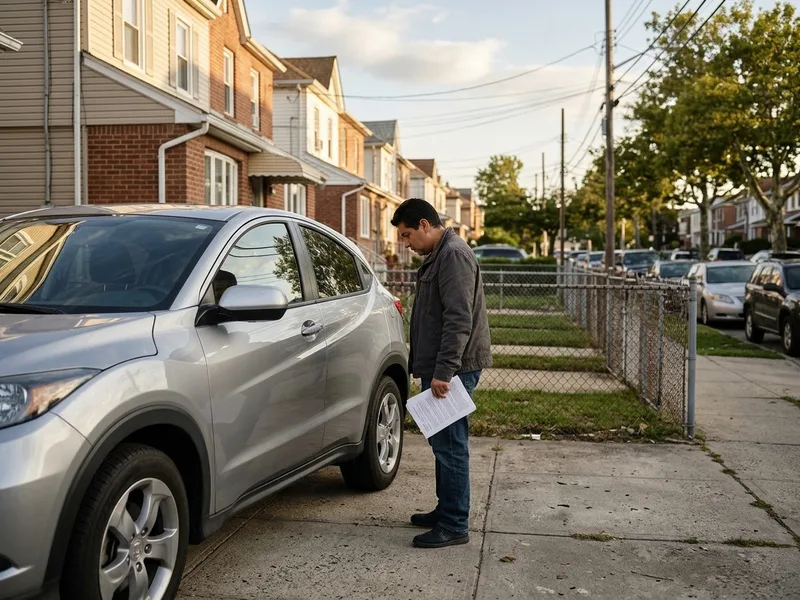
How to Make the Final Call With a Written Damage Assessment
Get it in writing first. Don’t accept a total loss figure or commit to a repair plan until you’ve seen an itemized damage assessment. For South Ozone Park drivers, we write collision repair estimates at our Queens shop.
You’re also free to choose your own repair shop, whatever direction your insurer points you. We work with Geico and Allstate programs.
Questions to bring to the decision
- Is the estimate itemized and in writing?
- Does the shop hold I-CAR credentials, and what do recent reviews say?
- Will the repair use OEM or aftermarket parts?
- What warranty covers the work, and how long will it take?
- Does it match the other two or three quotes you gathered?
A shop that refuses a written estimate, skips the warranty, or bids surprisingly low deserves a second look. Photograph existing damage before drop-off. Call or write to us for a written estimate. For insurance or legal questions, confirm details with a qualified professional.
Frequently Asked Questions
Can I choose my own repair shop if my insurer recommends a different one?
Yes, drivers are generally free to pick their own repair shop, whatever the insurer recommends. A written estimate from the shop you choose gives you a fair way to compare it against the insurer’s suggestion.
Does a total loss mean the car cannot be driven again?
A total loss means the insurer finds repair costs exceed the vehicle’s value. The insurer typically pays a settlement and takes the car. Confirm the process and any title questions with your insurer and the DMV.
What should I do if I disagree with the insurer’s vehicle valuation?
Start by requesting the valuation report from your insurer. Then gather records of recent maintenance and installed options. A detailed independent damage assessment from our shop in South Ozone Park can also support your request for a review.
How long does a detailed damage assessment take in South Ozone Park?
A damage assessment in South Ozone Park takes longer when the damage is complex, such as when teardown or computerized measurement is needed.
Bring Your Car to Our Queens Shop for a Written Estimate
Collision damage raises a hard question: is the car worth repairing, or does a total loss make more sense? Stop by our shop and we’ll go over a written estimate with you, then explain how we see the repair-or-total-loss question for your South Ozone Park vehicle. Every car and every impact is different, so the answer depends on what we find.
Read about our collision repair service for South Ozone Park drivers and request your estimate there, or check out our reviews on Google to see what our customers are saying.