


Car Accident Damage Repair in Queens, NY: Winter Fender-Bender Steps Before Repairs Begin
What Should You Do First After a Winter Fender-Bender in Queens?
After a winter fender-bender in Queens, NY, move your car to a safe spot if you can, check that everyone is okay, and photograph the scene before anything is moved. Drivers and passengers should do this before calling an insurer or booking car accident damage repair, since those photos support every step that follows.
We’re ANA Auto Repair, a collision repair shop in South Ozone Park, and we’ve been in business since 1994. Drivers are welcome to call or stop by with questions.
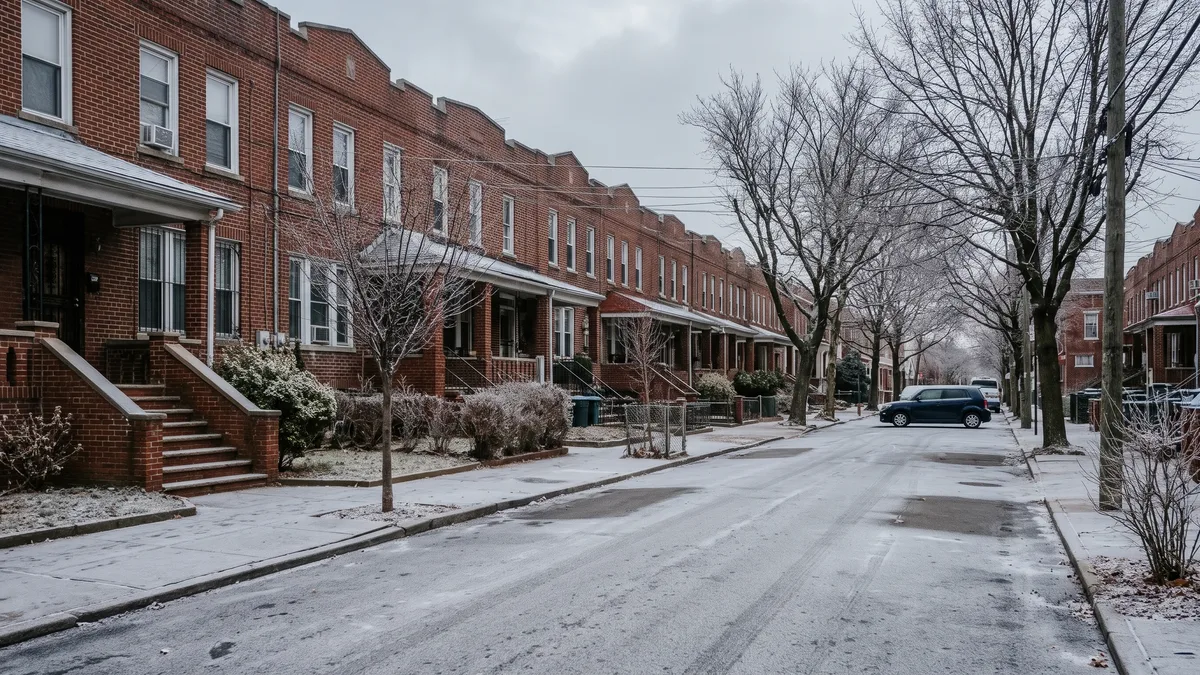
Winter changes how these crashes happen. Icy roads, slush, and reduced visibility in early darkness all lengthen stopping distances, and a low-speed tap on a slick street is easy to picture.
Minor-looking damage can mislead. A scuffed bumper may sit over a bent support, and a crumpled fender can hide misaligned panels behind it.
The rest of this post follows the order you’ll face: the scene, the documentation, what cold weather conceals, and then scheduling. If you want to see the body and frame work involved, our collision repair service page covers the full range.
Steps to Take at the Scene, in Order
- Secure the area. Turn on your hazard lights and, if the car still drives, pull it out of the travel lane. If it won’t move, stay buckled in or step well clear of traffic.
- Check for injuries. Ask every driver and passenger how they feel before you look at any bumper. Call 911 for anything beyond a minor complaint.
- Exchange information. Get the other driver’s name, phone number, insurer, policy number, and plate. Photograph their license and insurance card if they allow it.
- Note the location and time. Write down the cross streets, the time, and the road surface, whether wet, icy, or salted. These details help an adjuster later.
- Call the police if the situation calls for it. Injuries, a disputed account, a blocked road, or a driver who won’t share information are all reasons to do so.
The order matters on slick streets. Traffic doesn’t stop quickly on wet pavement, so the car’s position and everyone’s safety come before paperwork or photos. A clean exchange of information takes only a few minutes, but standing in a live lane to do it adds risk for no benefit.
We’d also keep the first conversation with the other driver short and factual. Describe what happened, skip the apology, and leave blame to the insurers. A casual comment at the curb can complicate a claim that would otherwise be simple.
Once everyone is safe and the details are recorded, the next move is getting a professional look at your car. Our South Ozone Park shop gives Queens drivers a straightforward place to start car accident damage repair.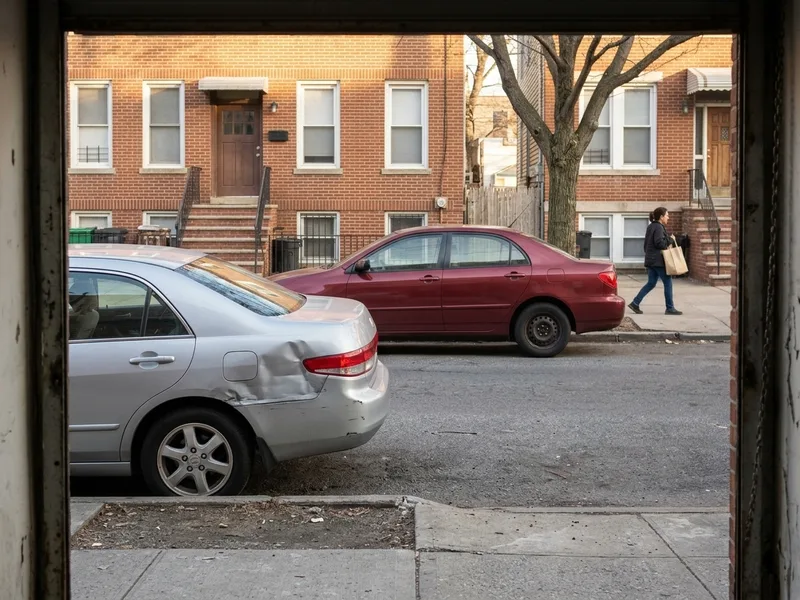
How to Document Damage Before Your Car Leaves the Street
Photos taken at the scene often show things a bumper cover hides later. A crack in the paint, a pushed-in panel edge, or a gap that wasn’t there yesterday is easy to miss once the car is parked at home.
Start wide. Capture both vehicles, their positions, and the surrounding street so the whole scene is visible. Then move in close on every damaged area, and take a second shot from a few feet back so the dent’s location on the car is clear.
- Both license plates, in frame and readable.
- Debris on the pavement, such as broken lenses or trim pieces.
- Road conditions: slush, ice, wet patches, or snow banks near the cars.
Write short notes while details are fresh. Include the time, the street, and what each driver says happened.
Clear photos and notes keep insurance paperwork consistent. They also give our technicians an accurate starting point for car accident damage repair, since we can compare the original impact to what we find once panels come off.
Questions about what to capture? Reach us through our contact page, or bring the car to our Queens shop in South Ozone Park.
Why Winter Hides Frame Stress and Rust
A creased fender looks like a cosmetic problem. Underneath, it can be more.
The force that pushes in a bumper or fender can travel into the mounting points, the frame rails, or the unibody panels behind them. Cold weather and dirty slush make that damage harder to spot, since grime covers small gaps and shifted edges.
Moisture is the second issue. Road salt and slush can work into seams and behind trim, and once paint is cracked, bare metal can start to corrode out of sight. Rust that begins under a panel often shows up only after it has spread.
Driving a damaged car through the cold months can add to both problems. Loose mounts keep flexing, and exposed metal stays wet.
We think a small-looking hit deserves a proper look before anyone decides it’s only cosmetic. Measuring the structure and checking the seams is the only way to know what the dent is hiding. That’s the starting point for any sound car accident damage repair in Queens, and you can bring the car to our South Ozone Park shop for an inspection.
Scheduling Collision Repair Before Cold-Weather Damage Gets Worse
Small hits often get put off because the car still drives. That’s usually when a pushed-in bumper mount or a chipped edge starts collecting road salt and slush.
Start with a written estimate. Ask what parts the shop plans to use, OEM or aftermarket, how long the repair is expected to take, and what warranty comes with the work. Gathering two or three written quotes makes the comparison fair. Be cautious about a shop that won’t put numbers on paper or comes in with a surprisingly low bid.
We serve drivers across Queens from our South Ozone Park location. Our team is I-CAR certified. If you’re coming from the neighborhood, our South Ozone Park shop page has the details.
You also choose your own repair shop, whatever your insurer suggests. Before drop-off, photograph any pre-existing damage and take out your valuables.
Schedule the inspection soon after the collision. Earlier looks make it easier to spot frame stress or exposed metal before they progress, and they give you time to plan car accident damage repair around your schedule. For questions about your claim or coverage, confirm the details with a qualified professional.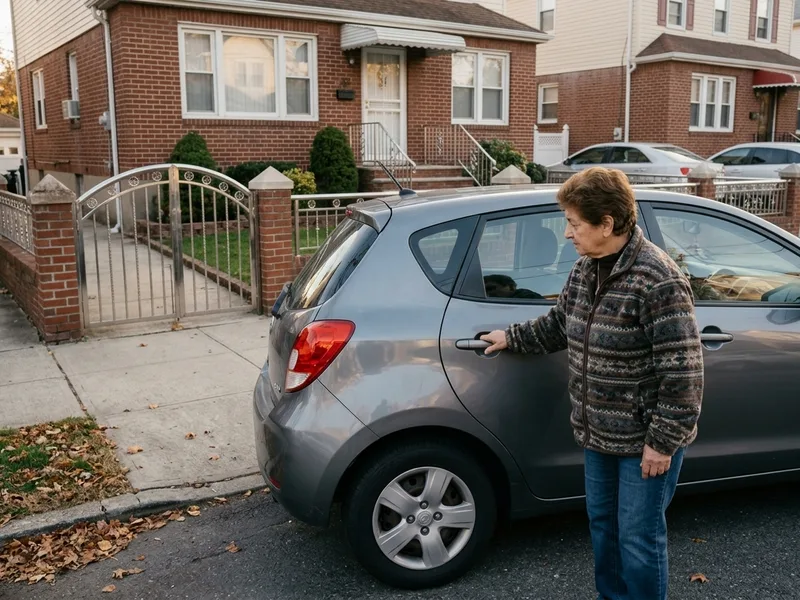
Frequently Asked Questions
Can I keep driving my car after a minor winter fender-bender in Queens?
Not always. A car with a loose panel, a damaged light, or a shifted bumper may be unsafe on Queens roads. Do a quick check before driving farther, and have a shop look at it if you’re unsure.
Do I need a police report for a minor collision in Queens?
Reporting requirements for a minor collision in Queens depend on factors like injuries and the amount of damage, so follow New York guidance. Keep any report number and the information you exchanged for your insurance records.
How long does collision repair usually take after a winter crash?
Collision repair time after a winter crash depends on the damage, parts availability, and the shop’s schedule. Ask for an estimated timeline in writing. Cold-weather damage can also add inspection time before work begins.
Is rust from a winter accident always a sign of serious damage?
No, surface rust after a winter accident isn’t always structural. Rust near seams, frame points, or previously repaired areas deserves an inspection, though. A professional look beats guessing from what shows on the surface.
Questions About a Winter Fender-Bender in Queens?
Icy streets and tight parking make minor collisions common around Queens, and the first hours afterward can feel confusing. Contact us and we’ll talk through what to document, like photos, plate numbers, and damage from several angles. Or stop by our South Ozone Park shop for an estimate.
Want to see how we handle dents, panels, and structural work? Browse our collision repair and body and frame services, or check out our reviews on Google to see what our neighbors are saying.