


Auto Body Damage Assessment in Queens, NY: What to Expect From Our Certified Technicians
Why Professional Damage Assessment Matters Before You Repair
You’re pulling off the Belt Parkway after a rear-end collision somewhere near Cross Bay Boulevard, your bumper is cracked, and the trunk lid isn’t closing right. The damage looks manageable. You’re already thinking it’s a quick fix. That assumption is exactly where repair costs spiral out of control.
Visible damage tells only part of the story. A hard enough impact that buckles a rear quarter panel can also compromise the unibody structure underneath, shift suspension geometry, or knock advanced safety sensors out of calibration. None of that shows up in a driveway inspection or a five-minute look from an insurance adjuster who hasn’t touched a frame rail in years.
Hidden damage is the rule, not the exception.
A proper auto body damage assessment in Queens, NY goes well beyond noting dents and scratches. Certified technicians use measuring systems to check frame and unibody alignment against factory specs, inspect the structural integrity around impact zones, and evaluate whether driver-assistance systems like lane keep assist or automatic emergency braking have been affected. Skipping any of those steps doesn’t save time. It guarantees problems after the repair is done.
There’s a common belief that getting a quick photo estimate online is “good enough” to start an insurance claim. Honestly, it isn’t. Photos flatten depth and completely miss structural deflection. What looks like a $600 bumper job in a photo can be a $4,000 frame and sensor repair once the vehicle is properly inspected on a lift. Starting a claim with inaccurate damage figures creates paperwork problems and delays that fall squarely on you.
This is why choosing a certified shop with a proven track record in the community matters from the very first step. ANA Auto Repair’s South Ozone Park facility has been handling collision work for Queens drivers since 1994, and that depth of experience changes how an assessment gets done. Technicians who have seen thousands of repairs recognize damage patterns that newer shops routinely miss.
Before any repair quote gets written, before any insurance adjuster gets called, the assessment has to be thorough and documented. Everything that follows depends on getting that first step right. If you have questions about what a full evaluation covers, reach out to our team directly and we’ll walk you through it.
The ANA Auto Repair Assessment Process: Step-by-Step
Every auto body damage assessment we do at ANA Auto Repair follows a deliberate sequence. Nothing gets eyeballed and guessed. Our I-CAR certified technicians work through a structured inspection that’s been refined over 30 years of collision work right here in Queens, NY.
Step 1: Initial Visual Walkthrough
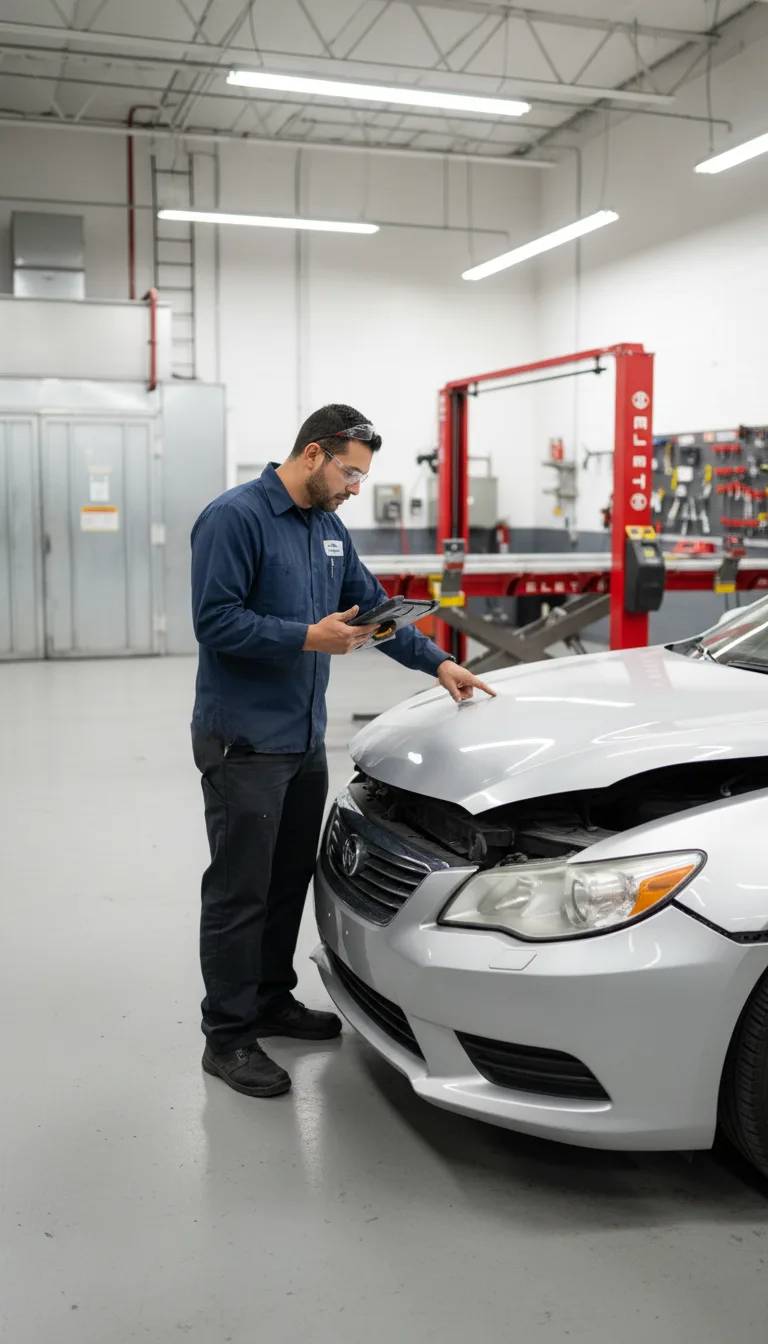
We start outside the vehicle. A technician walks the full perimeter, documenting every visible point of contact, paint transfer, panel gaps that have shifted, and glass integrity. Photos are taken throughout. This isn’t just paperwork; it’s the baseline that protects both you and us if questions come up later during the insurance process.
Panel alignment gets close attention here. A door that opens and closes slightly wrong often signals something structural happened behind the sheet metal. Most drivers miss it entirely.
Step 2: Subsurface and Structural Analysis
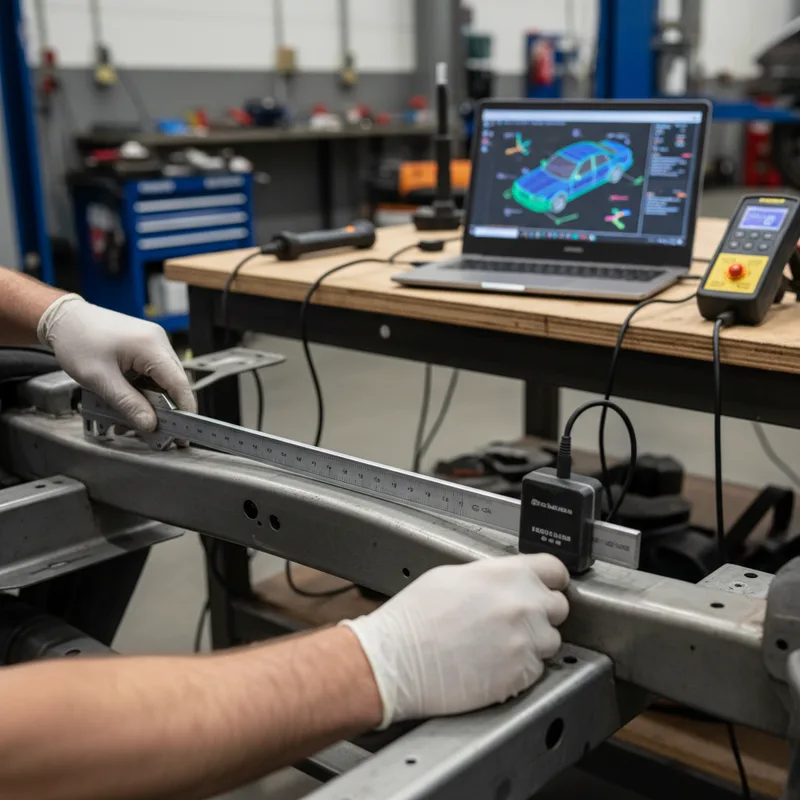
This is where a thorough auto body damage assessment separates itself from a quick once-over. We pull the vehicle onto our alignment rack and use computerized measuring equipment to evaluate the frame and unibody geometry. As an I-CAR certified aluminum welding center, we also have the tools and training to assess aluminum-intensive structures that standard shops simply aren’t equipped to handle.
Hidden frame damage is one of the most commonly missed issues in this industry, and it’s the kind of miss that creates real safety problems down the road. We don’t skip this step to speed up the process.
Step 3: Mechanical and Safety System Check
Collision work affects more than metal and paint. Modern vehicles have sensors embedded throughout, and even moderate impact can knock ADAS systems out of calibration. We’re talking about lane departure warnings, automatic emergency braking, parking sensors. These systems won’t always throw a dashboard warning light right away, which is exactly why checking them during the assessment matters.
A lot of shops don’t factor recalibration into their initial evaluation. We think that’s a mistake, and we build it into our process from the start.
Step 4: Documentation and Repair Scope
Once the physical inspection wraps up, we compile everything into a detailed written assessment. Damage severity, affected components, recommended repair methods, and parts requirements are all documented clearly. We specify whether OEM or alternative parts are appropriate for each repair item, and we explain why. Vague estimates lead to disputes. Specific ones don’t.
If your vehicle needs frame or unibody correction, paint matching, or bumper replacement, it all gets scoped here before any repair authorization is given.
Our South Ozone Park facility is set up to handle walk-in assessments, and the process typically moves efficiently from drop-off to documented findings. If you’re ready to get started or have questions before coming in, reach out to our team directly. We’ll tell you exactly what to expect before you arrive.
Common Damage Assessment Mistakes We Help You Avoid
Rushed inspections miss things. That’s not an opinion, it’s a pattern you see repeatedly in this industry. A technician spends fifteen minutes eyeballing a vehicle, writes up what’s visible, and sends the estimate off. The car comes back together, and three weeks later the owner is dealing with problems nobody caught the first time around.
The three most consequential oversights in any auto body damage assessment are frame damage, safety system recalibration, and surface preparation. Each one gets skipped for the same reason: it takes extra time and equipment to catch.
Hidden Frame and Structural Damage
Visible body damage is just the starting point. A strong enough impact, even one that looks contained to a bumper or quarter panel, can push stress into the unibody structure underneath. Without a proper measuring system and a trained eye, that damage stays invisible until it causes alignment problems, uneven tire wear, or worse. At ANA Auto Repair, frame and unibody inspection isn’t optional. It’s part of every assessment we do in Queens, NY.
Safety System Recalibration Gets Skipped More Than It Should
This one frustrates us, honestly. Shops that don’t recalibrate advanced driver assistance systems after collision work aren’t just cutting corners on paperwork. They’re sending vehicles back onto Cross Bay Boulevard with lane departure sensors and automatic emergency braking that may no longer be accurate. Modern vehicles are deeply integrated. Even moderate collision work can knock a camera or radar unit out of spec. Recalibration isn’t a bonus step; it belongs in the assessment from the start.
Poor Surface Preparation Planning
Bad paint jobs usually start at the assessment stage, not the paint booth. If the technician doing the inspection doesn’t flag what surface prep is actually required, the prep crew works off incomplete information. The result is adhesion failures, texture mismatches, or peeling down the road.
Thirty years of collision work since 1994 has shown us exactly where these shortcuts happen. Our job during an assessment is to find them before they become your problem. Reach out if you want a second opinion on an inspection you’re not confident about.
From Assessment to Detailed Estimate: Insurance Coverage & Your Options
The auto body damage assessment is only useful if it translates into a written estimate you can actually read and act on. That’s where a lot of shops drop the ball.
At ANA Auto Repair, every assessment produces a line-by-line written estimate. Nothing vague. Nothing buried in shorthand. You’ll see exactly what was found, what needs to be repaired or replaced, what parts we’re recommending, and what the labor involves. That document becomes the foundation for your insurance claim and your repair decisions.
OEM vs. Aftermarket Parts: What You’re Actually Choosing
One of the most consequential choices you’ll make after a collision is whether your vehicle gets repaired with OEM (original equipment manufacturer) parts or aftermarket alternatives. Insurance companies often push aftermarket because it costs less. That’s their preference, not necessarily yours.
OEM parts are built to the exact tolerances of your vehicle. Aftermarket parts vary. Some are fine. Some introduce fit issues that create problems down the line, particularly on structural components or anything tied to your vehicle’s safety systems. We’ll tell you plainly which parts we’re recommending and why, and we’ll note where aftermarket is a reasonable option versus where it isn’t.
What Insurance Covers and Where Gaps Appear
Your coverage determines a lot. Comprehensive and collision policies handle most physical damage repair, but deductibles, depreciation calculations, and policy exclusions create gaps that catch people off guard. We’ve helped Queens drivers sort through this since 1994, and the surprises are usually the same few line items.
As a Geico Xpress repair shop and Allstate Good Hands Network participant, we work directly with those carriers. That means less paperwork for you, faster approvals, and fewer back-and-forth delays on covered repairs. For other insurers, we’ll still advocate on your behalf and document everything your policy should cover.
Something most people don’t realize: you have the legal right to choose your own repair shop in New York. Your insurer can suggest a preferred shop, but the decision is yours.
Warranty and What It Means for Your Repair
Ask any shop about their warranty before you commit. We back our work with a written warranty, and we’ll explain exactly what it covers before the job starts. That’s a basic standard any reputable shop should meet.
If you’re in South Ozone Park or anywhere across Queens and want to go over an estimate in person, our facility is open for walk-ins. Bring your assessment paperwork, your insurance documents, or just your questions. We’ll work through it with you directly.
Same-Day Estimates & Why Timeline Matters After an Accident
Time costs money after a collision. Every day a damaged vehicle sits unassessed is another day your rental coverage is burning, your insurance clock is ticking, and the stress compounds. That’s not hypothetical. It’s what we see regularly at our South Ozone Park shop, where drivers come in rattled, unsure what to do next, and relieved when we can hand them a written estimate the same day they walk through the door.
Speed matters. But here’s where a lot of commonly repeated advice misses the mark: fast doesn’t mean cutting corners on the auto body damage assessment itself. It means having the staffing, equipment, and workflow in place so you’re not making customers wait three days just to learn what the repair will cost. We’ve built that capacity specifically because Queens, NY drivers don’t have time to sit in limbo.
Before you bring your vehicle in, a few quick steps help the process move faster.
-
Photograph the damage from multiple angles before anything is touched or cleaned
-
Remove personal valuables from the vehicle beforehand
-
Have your insurance policy number and claim number ready if one has been opened
-
Note any warning lights or handling changes you experienced after the impact
That last one matters more than people realize. Symptoms you felt driving away from the accident, a pull to one side, unusual braking, a shimmy at highway speed, are information our technicians need during the assessment.
Walk-ins are welcome. Our team at ANA Auto Repair has been doing this since 1994, and we’ve streamlined the intake process so you’re not waiting around. Reach out or stop by directly. Getting the estimate in hand quickly puts you back in control of the situation.
Certifications That Guarantee Quality: Why I-CAR Matters in Queens
Credentials aren’t decorations. They’re the difference between a technician who knows how to assess hidden collision damage and one who’s guessing.
ANA Auto Repair holds I-CAR certification, which means our team completes ongoing technical training covering modern vehicle construction, repair procedures, and safety system recalibration. That last part matters more than most people realize. A shop can straighten your frame and still send you out with a lane-departure system that’s completely uncalibrated. I-CAR training addresses exactly these gaps. We’re also a PPG authorized paint center, which means color matching isn’t approximated. It’s measured and verified.
A lot of drivers in Queens assume certifications are just marketing. We’d push back on that. Ask an uncertified shop how they handle ADAS recalibration after a front-end repair. The answer tells you everything about their auto body damage assessment process and whether you can trust what follows it.
We’ve been working on vehicles in this community since 1994. South Ozone Park, Richmond Hill, Jamaica, Howard Beach. These aren’t territories on a map for us; they’re neighborhoods where our customers live. Our insurance partnerships with Geico and Allstate reflect that same accountability standard.
Don’t hand your car to a shop you can’t verify. Visit our South Ozone Park location directly, walk in, and talk to our team. Or contact us to schedule your assessment today.
Frequently Asked Questions
How long does an auto body damage assessment take?
Most auto body damage assessments at our Queens, NY, USA shop take somewhere between 30 and 60 minutes. The exact time depends on how complex the damage is. A minor fender scrape moves faster than a multi-panel collision, for example. We commit to same-day written estimates so you walk out knowing exactly what the repairs involve, what they’ll cost, and how your insurance applies. You won’t be left guessing.
What’s the difference between OEM and aftermarket parts in collision repair?
OEM parts come directly from your vehicle’s manufacturer and match the original specs exactly. Aftermarket parts are made by third-party suppliers and typically cost less, but the fit and durability can vary depending on the brand and part type. Neither option is wrong in every situation. When we put together your estimate, we’ll tell you which parts we recommend for your specific repair and why, so you can make an informed decision.
Will my insurance cover the full cost of repairs if I choose ANA Auto Repair?
We’re certified through the Geico Xpress and Allstate Good Hands networks, which helps simplify the claims process considerably. Whether your insurance covers the full repair cost depends on your individual policy, your deductible, and the nature of the damage. What we can do is work directly with your provider to maximize what gets covered and walk you through any out-of-pocket costs before any work begins. No surprises.
What hidden damage should I worry about after a collision?
The stuff you can’t see is often more serious than the dents and scratches on the surface. Frame damage, unibody misalignment, and safety system recalibration issues are all common after a collision and easy to miss with a visual-only check. Our I-CAR certified technicians use precision measurement tools and diagnostic equipment during every auto body damage assessment to find and document everything your vehicle needs, not just what’s obvious from the outside.
How do I prepare my vehicle for a damage assessment?
Before you bring your car in, clear out any personal items and valuables, and take your own photos of any pre-existing damage so you have a record. Bring your insurance information if you’re filing a claim. We’re located in South Ozone Park, Queens, NY, USA, and we welcome walk-in assessments at our shop. If you’d rather skip any wait time, just give us a call to schedule and we’ll get you in at a time that works for you.
Get Your Same-Day Auto Body Assessment at ANA Auto Repair in Queens, NY, USA
If your vehicle was recently in an accident, don’t wait on the insurance process alone. Our I-CAR certified technicians at ANA Auto Repair in South Ozone Park are here to inspect the damage, document everything properly, and help guide you through your claim from start to finish. We’ve helped drivers all across Queens, including Ozone Park, Howard Beach, Jamaica, and Richmond Hill, and we’re ready to help you too.
Stop by the shop or give us a call today to schedule your inspection, and see what our customers are saying about us on Google before you come in.